Corrugated Board & Box Converting Rubber Rollers
Custom rubber-covered rollers for corrugated board production, sheet feeding, flexographic printing and box converting.
Wolorin manufactures and supplies custom industrial rubber rollers for new equipment and replacement projects. In corrugated applications, the covering must suit both the machine and the material being handled. Feed rollers need dependable grip without damaging the fluted board, while drive rollers, printing-related rollers and compression positions have their own contact requirements.
We manufacture rollers to match existing dimensions, covering specifications, surface finishes and shaft arrangements. Material or construction changes can also be considered when the original roller has a confirmed performance problem.
An existing roller photograph, drawing, machine model or basic dimensions is enough to start a discussion.
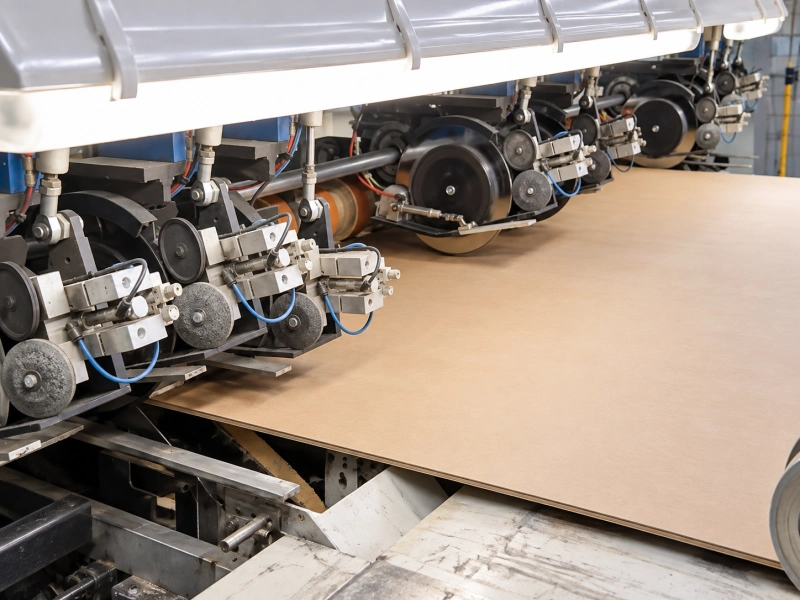
Rubber Rollers Used in Corrugated Board Production and Box Converting
Rubber-covered rollers serve different purposes as paper becomes corrugated board and the finished sheets are converted into boxes.
On the corrugator, certain double facer machines use rubber-covered drive rollers to move conveyor belts. During box converting, rubber feed rollers may bring sheets into a printer-slotter or another processing unit. Selected flexographic printing and folder-gluer machines also use rubber-covered rollers.
The main applications include:
| Roller position | Application | Main requirements |
|---|---|---|
| Double facer drive roller | Drives the conveyor belt carrying the board | Belt traction, cover wear and roller profile |
| Corrugated box feed roller | Feeds sheets into printing and converting equipment | Grip, sheet alignment and flute protection |
| Flexographic rubber wiper roller | Works in suitable ink-metering systems | Surface finish, roller profile and ink compatibility |
| Folder-gluer feed or compression roller | Feeds box blanks or provides contact around glued seams | Cover geometry, contact width and surface condition |
The equipment design determines which of these positions uses a rubber covering.
Corrugating rolls that form the flutes generally have metal working surfaces. Many starch glue applicator and metering rolls also use metal surfaces. Ceramic anilox rollers and replaceable die-cutting anvil blankets are separate product types.
For a replacement, the machine model and original component help establish whether a complete rubber-covered roller or another part is required.
How Corrugated Board Structure Affects Roller Contact
Corrugated board contains a fluted paper layer between flat liners. The flutes provide thickness and structural support, but they can deform under excessive contact pressure.
The board's response depends on its construction. Single-wall board has one fluted layer between two liners. Double-wall board combines two fluted layers with three liners. Paper grade, flute profile and finished thickness introduce further differences.
The European corrugated board industry's reference dimensions give an indication of the variation:
- C-flute: approximately 3.6 mm flute height and 130 flutes per metre.
- B-flute: approximately 2.4 mm flute height and 150 flutes per metre.
- E-flute: approximately 1.2 mm flute height and 290 flutes per metre.
These are indicative flute dimensions, excluding the liners. Finished-board thickness and resistance to compression also depend on the paper construction.
This matters when a box plant runs different board grades on the same machine.
A feed roller that handles one grade satisfactorily may require a different machine setting when the board thickness, liner or flute construction changes. The same contact pressure can produce a different feeding response or leave marks on another board.
For replacement projects, the actual range of board grades is therefore useful, especially when a particular grade has shown slipping or pressure marks.
The covering needs to maintain the required feeding contact without placing unnecessary load on the fluted structure.
Corrugated Box Feed Rollers: Grip and Board Protection
Corrugated box feed rollers bring sheets into flexographic printers, slotters and other converting machines.
Consistent feeding helps each sheet enter at the correct position and timing. When grip becomes uneven, the board may slip, enter at an angle or arrive inconsistently at the next section.
A common response to poor feeding is to increase contact pressure. This may improve movement, but the additional compression can reduce flute height or leave marks on the liner.
If a machine needs progressively more pressure to handle the same board grade, wear or changes in the feeding contact deserve attention.
Upper Rubber Feed Rollers and Lower Pull Rollers
Some corrugated flexographic machines use an upper rubber feed roller working against a lower knurled steel pull roller.
The upper rubber covering provides compliant contact. The lower roller's patterned surface helps pull the sheet into the printing section.
The two surfaces work together. A worn upper roller may lose effective grip, while damaged knurling, corrosion or dried ink on the lower steel roller can also interfere with sheet movement.
Specialist roller manufacturers document this paired arrangement and offer different rubber feed roller constructions for it.
When replacing an upper rubber feed roller, the condition of the lower roller should be checked as well. A sound lower roller may remain in service; a damaged one can affect the performance of the new covering.
Hardness and Surface Pattern
Rubber hardness influences how the covering deforms under pressure. Cover thickness and roller construction also affect the contact.
Some corrugated box feed rollers use grooved or textured surfaces. The pattern determines how the rubber contacts the board and interacts with the mating roller.
The original groove dimensions, surface finish and hardness provide an important reference for replacement.
Single-durometer and dual-durometer coverings are both used in corrugated feeding equipment. The appropriate construction depends on the original design and its operating requirements.
A different compound or surface pattern may be worth considering when the existing roller has a specific, identified problem. For a roller that has worked well, reproducing its established specification is generally the starting point.
Working Diameter and Uneven Wear
A feed roller can lose performance before its covering is completely worn out.
Repeated contact over a limited part of the roller face may produce a wear band. The effective diameter can decrease locally, leaving uneven contact across the board width.
This is particularly relevant when a machine repeatedly processes sheets of similar widths and the same regions of the roller carry most of the contact.
A replacement should restore the specified working diameter and surface profile, together with the original shaft and mounting dimensions.
For more information about controlled grip and material movement, see traction rollers.
Rubber-Covered Drive Rollers for Double Facers
Certain double facer machines use rubber-covered drive rollers to transmit power to the conveyor belts carrying the corrugated board.
The rubber covering works against the belt. Its requirements therefore differ from those of a feed roller that contacts the board directly.
Working diameter, surface profile, cover condition and shaft arrangement all affect the drive contact.
A worn or damaged covering may contribute to belt slip. Uneven wear can also change contact across the roller face.
Belt wear, tension and alignment can produce similar symptoms. These conditions should be checked before replacing a drive roller that is otherwise serviceable.
For a replacement, the original drawing, roller dimensions, covering specification and mating belt provide the manufacturing reference.
Related product: drive rollers.
Rubber Wiper Rollers for Corrugated Flexographic Printing
Certain corrugated flexographic presses use rubber wiper rollers in their ink-metering systems.
The rubber surface works against an adjacent roller to maintain the required wiping contact. Its condition influences how consistently ink is metered and transferred.
Surface damage, uneven wear or changes in the covering can alter this contact.
Three specifications are particularly relevant when manufacturing a replacement.
Roller Profile
The original roller may have a parallel or crowned profile, depending on the equipment.
A worn or swollen roller may no longer retain its original geometry. Where this has occurred, the drawing, previous manufacturing records or an undamaged reference provide a better basis for replacement than measurements from the damaged surface alone.
Surface Finish
The working surface must be finished to the requirements of the original ink-metering arrangement.
Damage, contamination or inconsistent grinding can affect the contact with the adjacent roller. The required surface finish should be established from the existing specification.
Ink and Cleaning Compatibility
The rubber compound must suit the actual ink formulation, cleaning chemicals, temperature and exposure conditions.
An unsuitable covering may swell, soften or crack after repeated contact with these materials.
The replacement specification should therefore include the ink system and cleaning products where known, particularly when the old roller has suffered chemical damage.
Feed and Compression Rollers for Folder-Gluers
Selected folder-gluer machines use rubber-covered feed rollers to introduce box blanks and compression rollers to provide contact around glued seams.
The feeding position requires enough grip to move the blank consistently. Wear or contamination on the covering may contribute to slipping or irregular feeding.
At the compression position, contact width, surface condition and roller geometry are especially important.
Localized wear can change the contact at the glued seam. Adhesive residue on the rubber surface may also affect contact or leave marks on the board.
A replacement should match the original working diameter, cover geometry, face width and mounting arrangement. If the covering contacts adhesive or cleaning liquids, these materials must be considered when reviewing the compound.
Seam problems can also arise from adhesive application, folding alignment or curing conditions. Roller replacement is relevant when the covering or its contact geometry contributes to the problem.
For further information about controlled contact, see pressure rollers.
Rubber Cover Materials and Replacement Specifications
The original covering is a useful reference for a routine replacement, particularly when it has performed satisfactorily.
If the existing roller has suffered premature wear, swelling, cracking or another confirmed covering-related problem, its material or construction may need to change.
Rubber Materials
Polyurethane rubber rollers may be considered for suitable feeding and transport positions where abrasion resistance is important.
The selected polyurethane compound must also provide the required contact response under the machine's working load.
NBR / nitrile rubber rollers may be considered for certain industrial and ink-contact applications. Suitability depends on the actual compound and its compatibility with the ink, cleaning chemicals or other contact media.
Other rubber compounds may be used where the original specification or operating conditions require them.
Dimensions and Surface Requirements
A replacement specification should establish the working diameter, rubber face length, cover thickness and shaft dimensions.
Depending on the position, the original groove pattern, surface finish, crown, runout and dimensional tolerances may also need to be reproduced.
Two rollers with the same outside diameter can behave differently if their cover thickness, core geometry or surface profile is different.
For a direct replacement, an existing drawing or serviceable reference roller provides a practical manufacturing basis. Changes to the original construction should address a clearly identified requirement.
When a Corrugated Rubber Roller Needs Inspection
Changes in production do not always originate from the rubber roller. The position where a problem first appears and the condition of the contact surface help narrow the investigation.
Sheets Begin Slipping or Entering at an Angle
Uneven feed-roll wear, surface damage or a change in working diameter may affect grip.
The mating pull roller, feeder alignment and board condition can produce similar symptoms. A wear pattern corresponding to the affected feeding area makes the rubber roller more relevant to the investigation.
Pressure Marks Appear After a Contact Position
Localized cover wear, incorrect dimensions or excessive contact pressure may contribute to marks or flute damage.
The board's condition and machine settings must also be considered. If the damage begins after a particular rubber-covered position, the roller's geometry and contact condition deserve attention.
Ink Transfer Becomes Uneven
A damaged, swollen or worn rubber wiper roller may no longer maintain its original contact with the adjacent roller.
Ink condition and other metering components can also affect the result. A visible change in the wiper surface or profile provides a reason to inspect the roller itself.
Wear Concentrates in One Area
A narrow wear band can be associated with repeated contact at a particular board width, uneven loading or installation problems.
Its location and shape can help establish which dimensions or surface features need closer examination before replacement.
For a more detailed investigation of board thickness loss and flute deformation, see Corrugated Board Crush Problems.
Frequently Asked Questions
Can a heavily worn roller be reproduced without its original drawing?
The machine model, part number, previous manufacturing records or an undamaged reference roller may help recover the original dimensions and surface pattern.
A heavily worn roller may no longer represent the correct working diameter or groove geometry, so its current measurements should be checked against other available information.
Can the existing metal core be reused?
It may be possible if the core, journals, bonding surfaces and overall structure remain suitable.
The existing assembly must be inspected before re-covering can be confirmed.
What if the original rubber material or hardness is unknown?
An existing sample may help identify its current hardness and covering construction. Previous specifications and operating records are also useful.
Ageing, wear and chemical exposure can change rubber properties. Measurements from an old roller may therefore differ from its original specification.
Can Wolorin manufacture a replacement for a particular machine model?
The machine model and roller position provide a useful starting point for identifying the component.
An existing drawing, reference roller or confirmed dimensions and construction details are needed to establish the manufacturing specification. The covering, shaft arrangement, surface and applicable tolerances can then be matched to the replacement requirements.
Common Roller Types and Materials for This Application
For controlled grip and feeding in suitable rubber-covered contact positions.
For belt driving and related power-transmission applications.
For controlled contact at suitable compression positions.
Material options for suitable wear-sensitive feeding and transport applications.
Compound options for selected industrial and media-contact conditions.
Rubber roller applications in other paper processing and finishing operations.
Rubber rollers for broader industrial printing applications.
Browse More Roller Categories
Custom Rubber Roller Manufacturing at Wolorin
Wolorin manufactures custom rubber-covered rollers from confirmed drawings, replacement specifications and application requirements.
For more information about our manufacturing services, inspection and company background, visit the following pages.
Custom rubber roller manufacturing and replacement services.
Inspection and quality-related information.
Company background and industrial rubber roller supply.
Send Your Corrugated Roller Specifications
Looking for corrugated board rubber rollers for a feeder, double facer, flexographic press or box-converting machine?
Send us your existing drawing, roller dimensions or old roller photographs. The machine model and roller position will help identify the correct component.
For a replacement project, the following information is useful:
- Roller dimensions: Outside diameter, rubber face length, cover thickness, shaft dimensions and quantity.
- Existing covering: Rubber material, hardness, surface pattern or finish, if known.
- Working conditions: Board grade and flute type for feed rollers; belt details for drive rollers; ink, adhesive or cleaning chemicals where the covering contacts these materials.
- Current roller-related problems: Uneven wear, slipping, swelling, cracking, pressure marks or changes in contact.
Complete drawings and specifications can be submitted directly for manufacturing review and quotation.
If some details are unavailable, start with the roller position, photographs or basic dimensions. The remaining specifications can be confirmed before production.