Liquid Silicone Rollers
For release-oriented, low-mark, clean-contact, and surface-sensitive roller applications.

A CPE matte film line was seeing material build-up on a liquid silicone rubber-covered contact roller. The roller performed well when it was newly covered, but after about two days of running, a thin skin-like residue began to form on the surface.
The residue was difficult to clean. It increased shutdown time, created waste during cleaning and restart, and affected the matte appearance of the film. Under light, the roller surface looked as if a thin layer had peeled or lifted from the rubber surface.
When this layer was wiped away, the matte effect could return. This showed that the problem was closely related to the roller surface condition after running, not only to the film material itself.
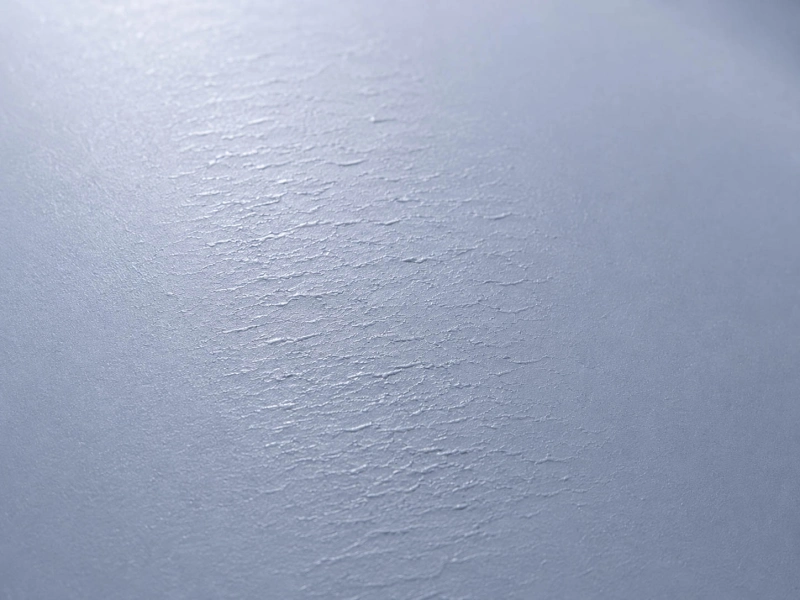
CPE matte film is sensitive to contact surface condition. In this type of film line, the roller is not only helping the material pass through the line. Its surface condition can also affect release, surface reflection, and the final matte appearance.
The line used a die temperature of around 220°C, and the roller worked in a hot film contact section. After repeated contact, the previous LSR cover began to hold transferred material on the surface. Once this residue layer formed, the film was no longer contacting a stable silicone surface. The contact became less consistent, and the matte effect became harder to maintain.
For this position, release behavior after running, heat stability, and easy cleaning were more important than simply matching the old roller as a normal replacement.
The earlier roller was also made with liquid silicone rubber, but the cover specification did not stay stable enough under the actual running condition. It could work at the beginning, but after heat, contact pressure, and repeated film release, the surface started to collect residue.
This kind of problem is common in demanding release positions. Two rollers may both be described as LSR rollers, but their actual behavior can be very different after production running. Compound design, curing condition, surface finish, hardness balance, and heat stability all affect whether the roller remains clean enough in service.
In this case, the earlier cover did not provide enough release stability and heat resistance for the CPE matte film position. The result was frequent cleaning, unstable surface condition, and reduced control over the matte film appearance.
Wolorin kept the liquid silicone rubber material direction, but adjusted the cover specification around the actual working condition.
The replacement roller was made with stronger release behavior for CPE matte film contact, better heat stability for the hot film section, and a surface condition that was easier to clean during production. The roller still had to match the original mounting dimensions, but the working surface needed to perform differently from the earlier cover.
The key was not only to reduce sticking when the roller was new. The more important target was to keep the surface from developing the same tenacious residue layer after continuous running. If light residue appeared, it needed to wipe off more easily instead of forcing a long shutdown.
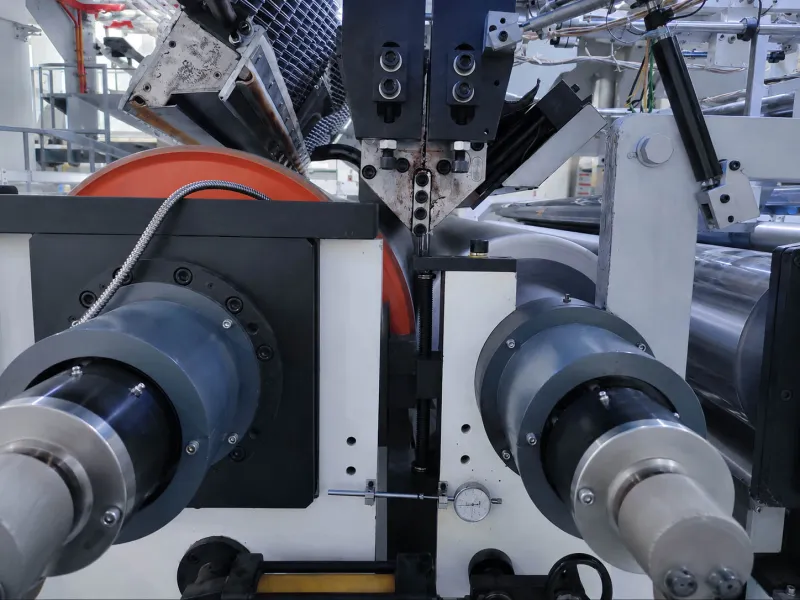
After the replacement LSR roller was used, the previous skin-like build-up did not appear in the same way. The roller surface no longer required the same long cleaning shutdowns, and light residue could be wiped off much more easily.
The matte film appearance also became more stable. Since the roller surface did not carry the same unstable residue layer, the film contact remained more consistent during production.
After this result, the customer continued using Wolorin LSR rollers. Several other roller positions on the same line were later supplied by Wolorin as well.
When a CPE matte film line sees sticking, skin-like residue, difficult roller cleaning, or unstable matte appearance after a short running period, the roller surface should be reviewed together with the film contact condition.
Useful information includes the film material, roller position, residue photos, running time before build-up, cleaning method, die temperature, contact pressure, old roller hardness, cover thickness, and surface finish. These details help confirm whether the next roller should be adjusted for release, heat stability, surface finish, cleanability, or a combination of these factors.
For similar material sticking to rubber roller surfaces or hot film contact problems, Wolorin can review the old roller information and operating condition before confirming the replacement specification.
For release-oriented, low-mark, clean-contact, and surface-sensitive roller applications.
For rollers used in film handling, hot contact, release, surface protection, and converting lines.
For common causes of residue transfer, material build-up, and difficult roller cleaning.
For roller issues related to hot contact, pressure, recovery, surface marks, and release stability.
If your film line is seeing material sticking, skin-like residue, difficult roller cleaning, unstable matte appearance, or short cleaning intervals, you can send us photos of the roller surface, the film material, the roller position, and any known temperature or contact conditions.
You do not need to prepare a complete technical file before starting the discussion. If drawings, dimensions, samples, old roller photos, or clear specifications are available, you can send them directly for project confirmation. If the information is not complete yet, the first review can still start from the problem, the roller position, the contact material, and the surface condition after running.