Guide and turning rollers
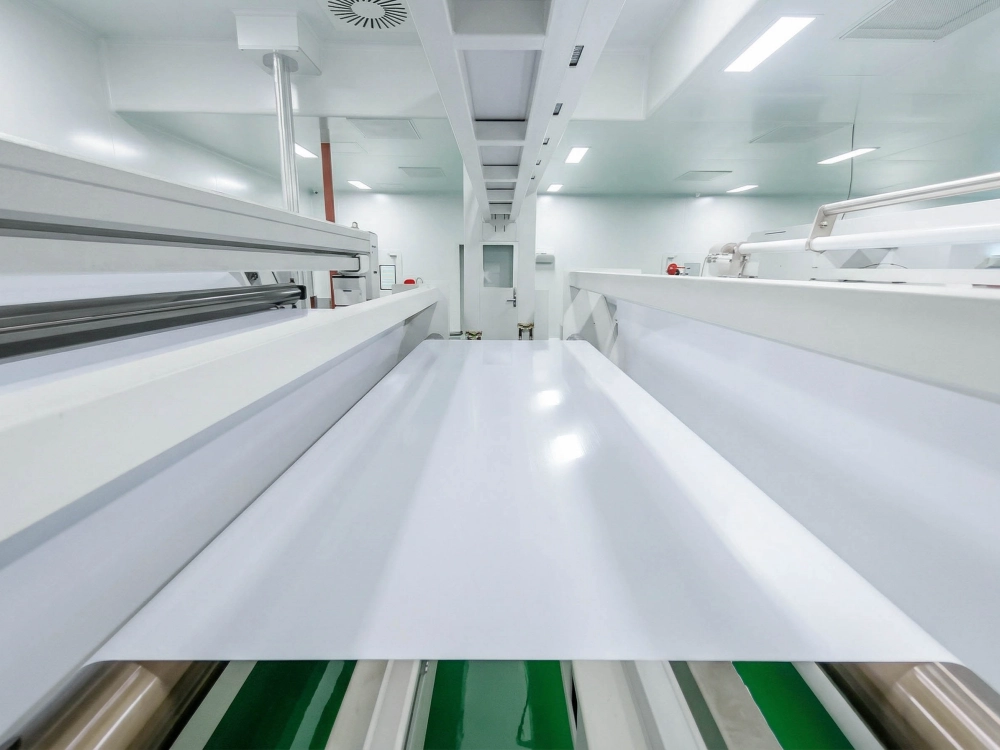
These positions are mainly used for web path control, edge stability, and direction change. Clean contact, alignment, shaft fit, and stable running matter here. Problems first blamed on speed or tension may actually start from unstable guide rollers.
Pull and traction rollers
These positions move the film through the line and help keep speed consistency. The cover needs enough grip to prevent slip, but not so much that it leaves stretch marks, haze, or visible contact patterns.
Nip and pinch rollers
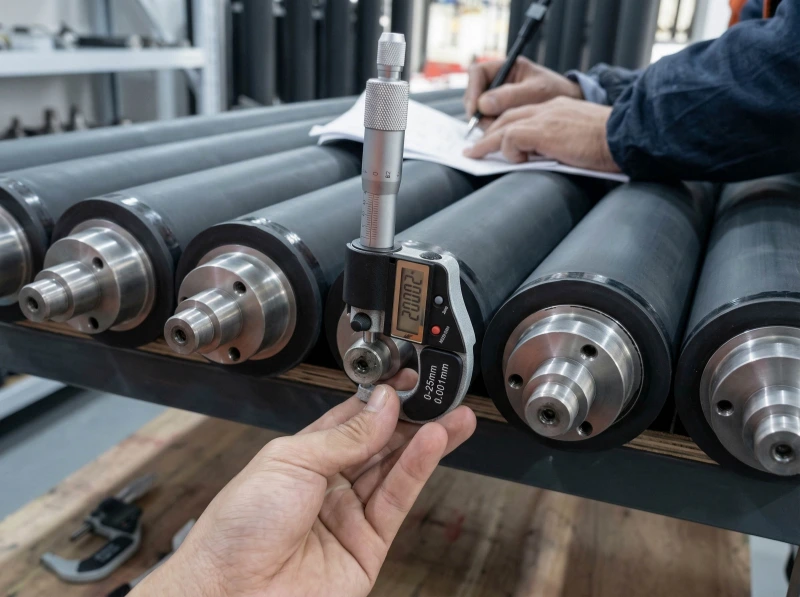
These positions create controlled contact during feeding, transfer, laminating support, or matched roller contact. Cover hardness, cover thickness, surface finish, and pressure distribution all affect whether the film runs cleanly or starts to show slip marks and local pressure traces.
Pressure and lay-on contact rollers
These positions support winding stability and roll build. Uneven contact across the width often shows up later as loose edges, local marks, or poor final roll shape. In many cases, these positions are reviewed together with pressure rollers in related sections.
Tension control rollers
These positions help keep the web stable when line speed, unwind diameter, rewind diameter, or process load changes. On thin films, small running differences can quickly appear as flutter, tracking movement, uneven winding, or local slip. That is why tension control rollers usually need to be judged together with alignment, friction behavior, and actual line condition.
Spreader and anti-wrinkle rollers
These positions help open the web and reduce wrinkles, trapped air, or local film disturbance. A spreader roller can help, but it should not be treated as the only answer when wrinkles are actually linked to tension variation, uneven contact, or upstream path instability.
Cleaning and sticky rollers
These positions are used where downstream coating, laminating, printing, inspection, or final film quality depends on cleaner surfaces. Dust removal should not introduce new marks, transfer, or secondary contamination.
Corona treatment and static-sensitive rollers
These positions need stable contact around surface treatment, static control, or dust-sensitive handling. Where dust attraction, sticking, or unstable running becomes more visible, anti-static / conductive rubber rollers may need to be reviewed together with grounding, humidity, speed, and film type.
Post-slitting and rewinding sections
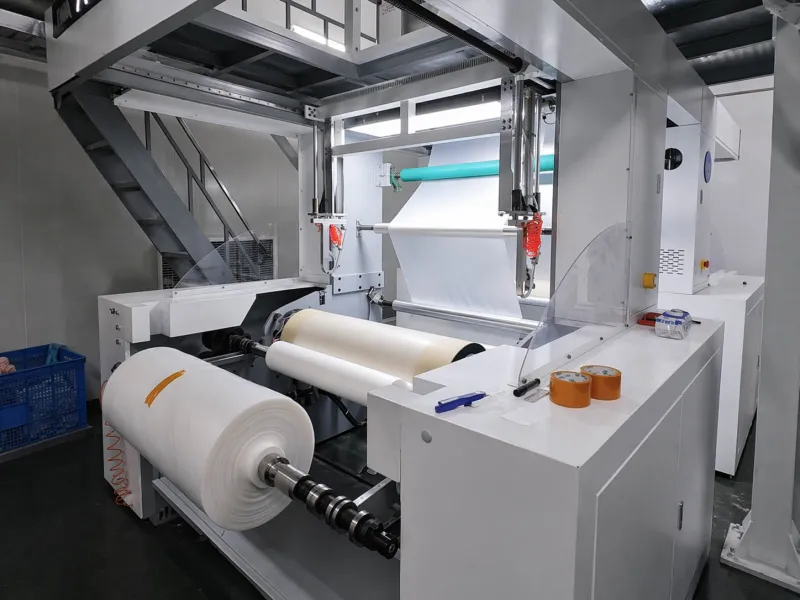
After slitting, narrow webs often become more sensitive to small differences in surface finish, runout, local pressure, or tension behavior. Issues that look minor upstream may later appear as loose edges, telescoping, uneven hardness, or poor rewind roll build.