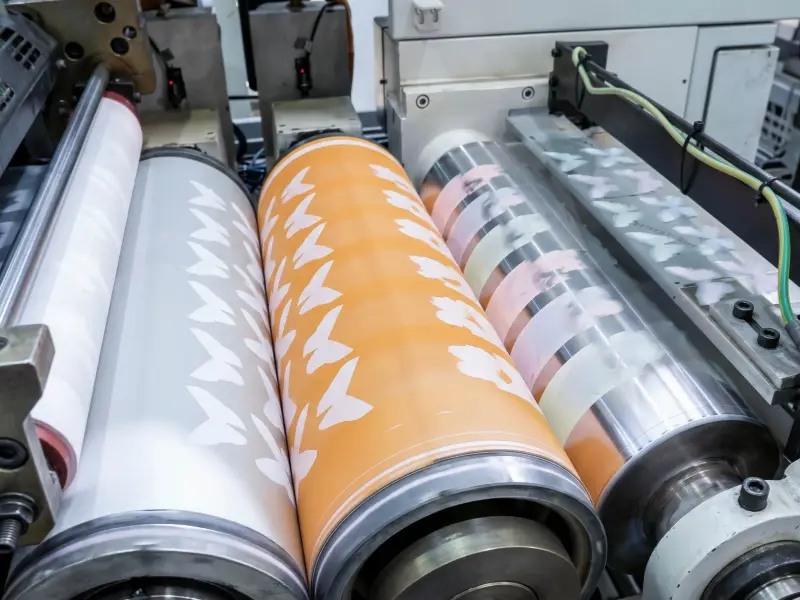
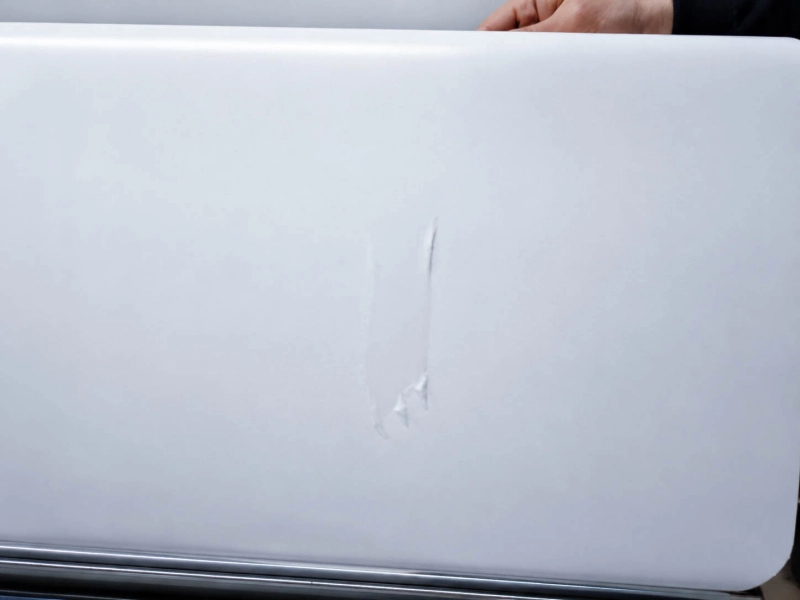
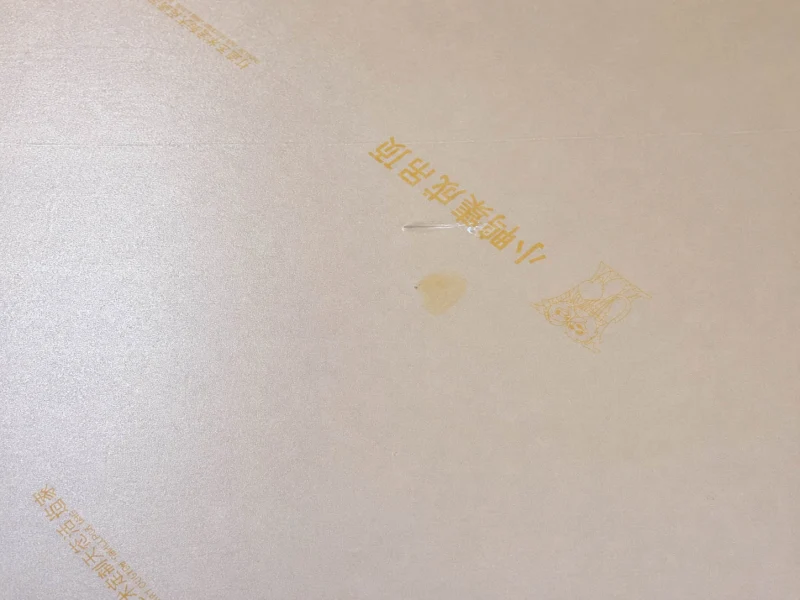
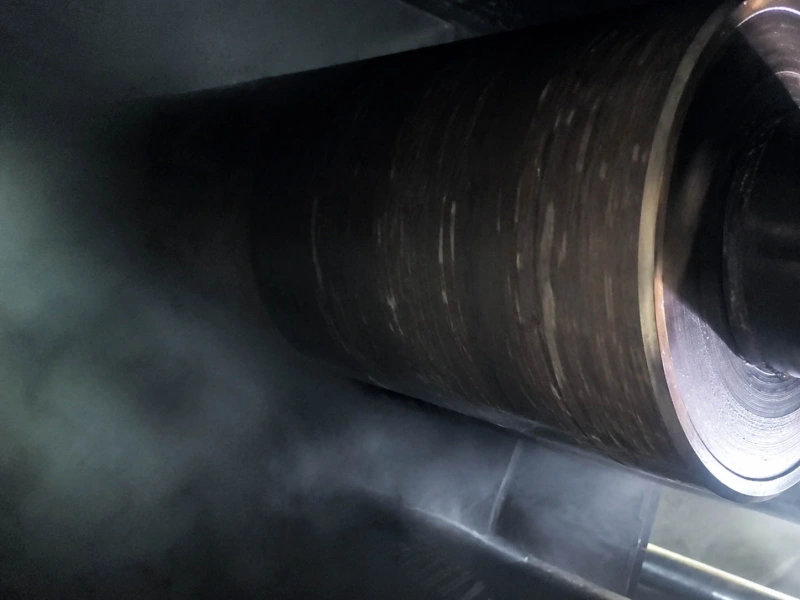
These case studies come from part of Wolorin’s actual custom rubber roller projects. We selected these representative examples because they show common production issues, roller contact problems and working conditions that many industrial customers may also face.
The cases cover film converting, embossing, slitting, coating, tarpaulin calendering, stainless steel pickling and other roller contact positions. They can help customers understand how rubber roller material, surface finish, structure and manufacturing details may affect real production performance.
Practical References From Real Roller Applications
A rubber roller is often judged first by size, hardness and price. In real production, however, the same-looking roller may perform very differently depending on temperature, pressure, speed, contact material, cleaning method and machine position.
The following cases are not standard product listings. They are practical references from actual working conditions.
Representative Rubber Roller Cases
Embossing Contact Roller Case
PVC embossed film showed visible marks and uneven pattern transfer at a heated embossing nip. The case focused on contact stability between the rubber-covered pressure roll and the patterned steel embossing roll.
CPE matte film residue built up on an LSR-covered contact roller during hot contact, causing difficult cleaning, longer downtime and unstable matte surface appearance.
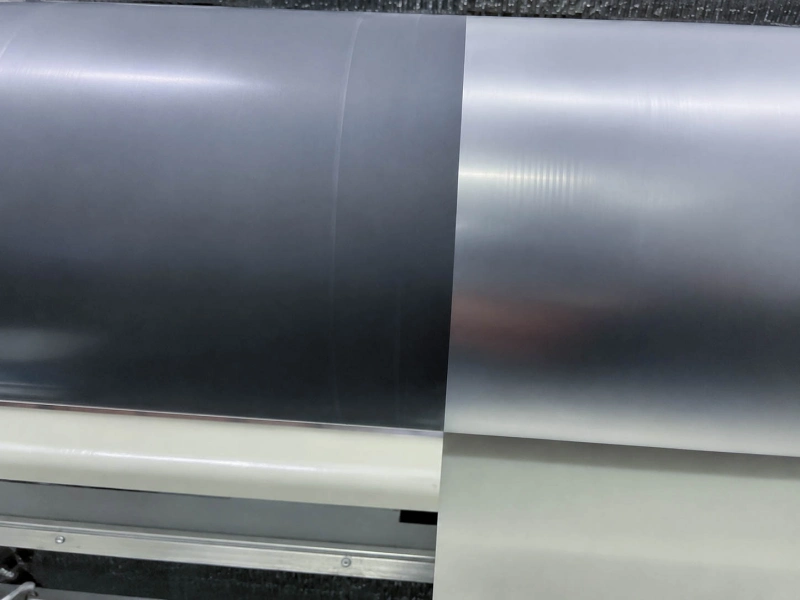
Color-coated steel coil production showed zebra marks and irregular surface patterns. The issue returned after short use, so solvent contact, coating surface stability and rubber cover resistance were key review points.
Color-coated Steel Coil / Solvent Contact / Surface Marks
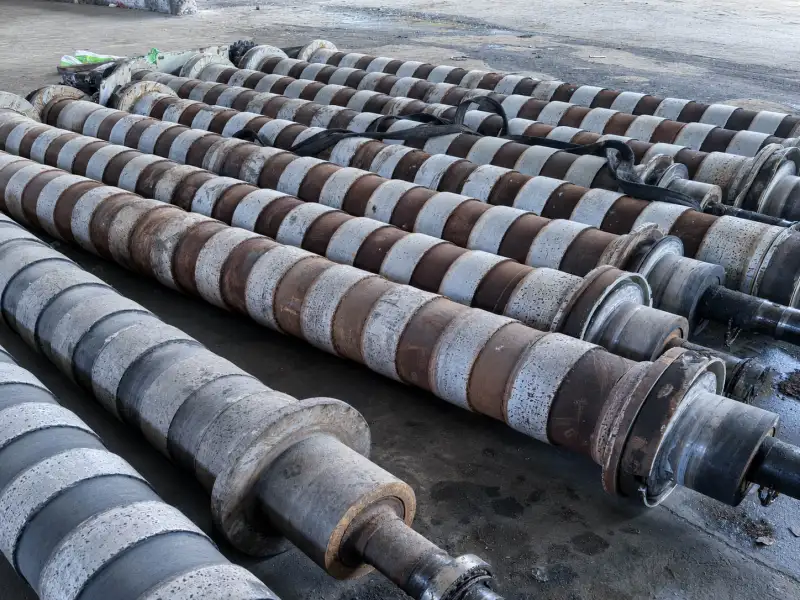
A large calendering rubber roller was re-covered for tarpaulin production. The working condition involved heat, oil-related contact and continuous pressure contact.
Stainless Steel Pickling Line Segmented Roller Case
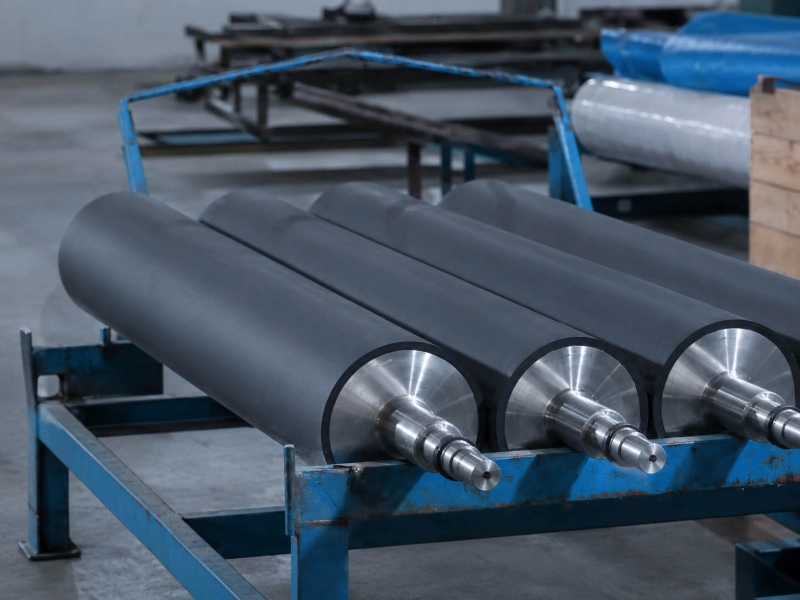
Segmented rubber-covered rollers were used inside a stainless steel pickling spray section with acid exposure, protected end faces and sealed cover edges.
Pickling Line / Chemical Contact / Segmented Roller
High-speed BOPET Slitting Pressure Roller Stability Case
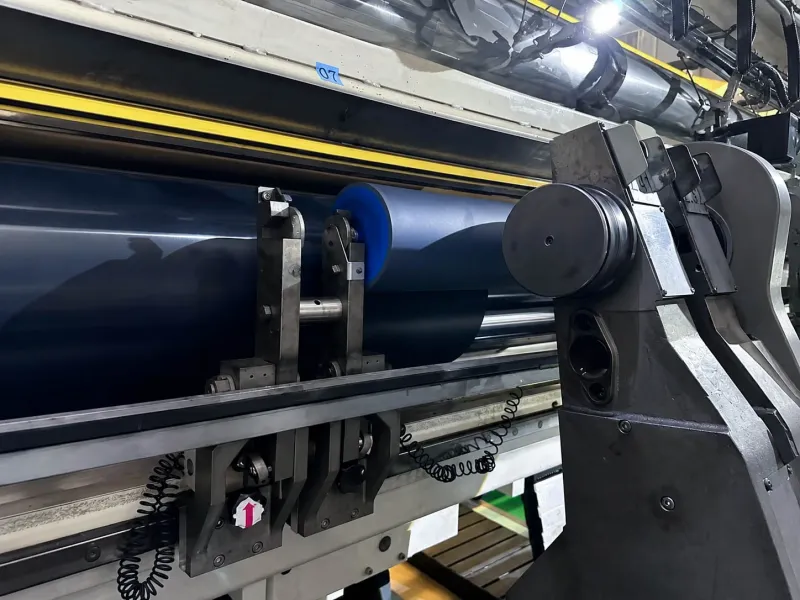
A high-speed BOPET slitting pressure roller required stable contact across a long working width, with vibration, deflection, crown and surface precision considered together.
BOPET Film / Slitting Line / High-speed Pressure Roller
BOPP film handling was affected by static-related dust attraction near the roller contact position. The case focused on cleaner web contact and a suitable roller surface direction.
Pre-coated film showed roller-related surface marks during contact. The case reviewed roller surface condition, pressure contact and working stability around the film surface.
A similar problem does not always require the same rubber material or roller design. Temperature, pressure, speed, contact material, cleaning method and machine position can all change the final specification.
These cases can be used as references, but the actual roller still needs to match the real working condition.
Have a Similar Rubber Roller Problem?
If you already have drawings, roller dimensions, samples or clear specifications, you can send them to us for customization, quotation or production confirmation.
If the information is not complete, you can also start with old roller photos, basic dimensions, machine position, contact material and the current problem.