Textile Processing Rollers

Textile lines may look similar, but roller demand can change a lot from one section to another. In some positions, the main need is stable guiding and clean transport. In others, the roller has to support coated fabric, handle tension-sensitive running, or help keep winding consistent.

Some proven solutions can cover a range of similar applications. But whether a roller will remain suitable over time still depends on the actual job it is doing at that specific position on the line.

Industrial rubber rollers packed in wooden export crates

How Roller Demand Changes Across Textile Lines

Textile processing includes more than one kind of line condition, and roller requirements often depend more on the job at a specific section than on the machine name alone.

Some lines mainly need stable tracking and clean transport. Others place more attention on stretch response, surface sensitivity, release behavior, temperature exposure, chemical contact, or winding consistency.

That is why woven fabrics, knitted fabrics, coated fabrics, and finished textile materials are often better judged by what is happening at the roller position, not only by the general type of machine.

If the problem is already clearly tied to guiding, coating support, finishing contact, or winding, the next step is usually a narrower page. If not, this is still a practical place to identify the right direction.

Typical Processing Situations

Different textile materials can pass through similar equipment while behaving very differently at the roller surface.

Woven fabric lines

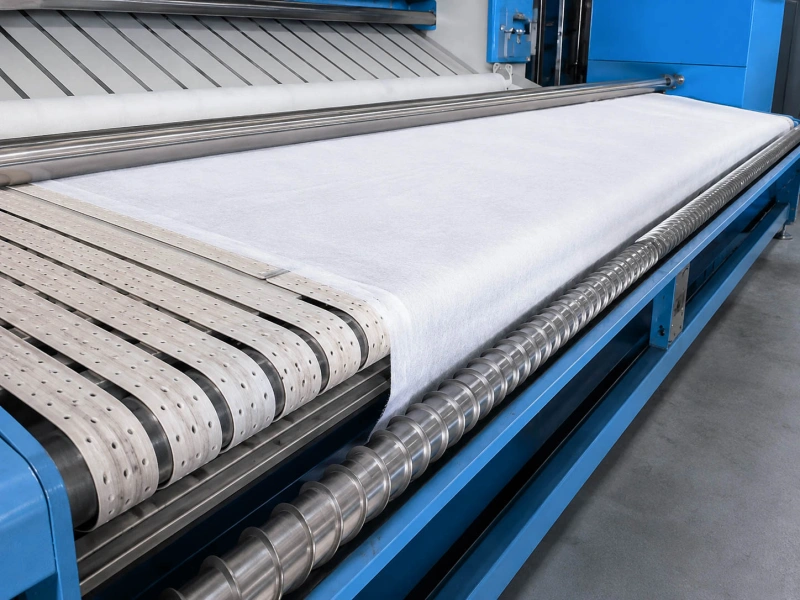
Often need stable transport, repeatable tracking, and controlled surface contact through open-width running, treatment, finishing, or rewinding sections.

Knitted fabric lines

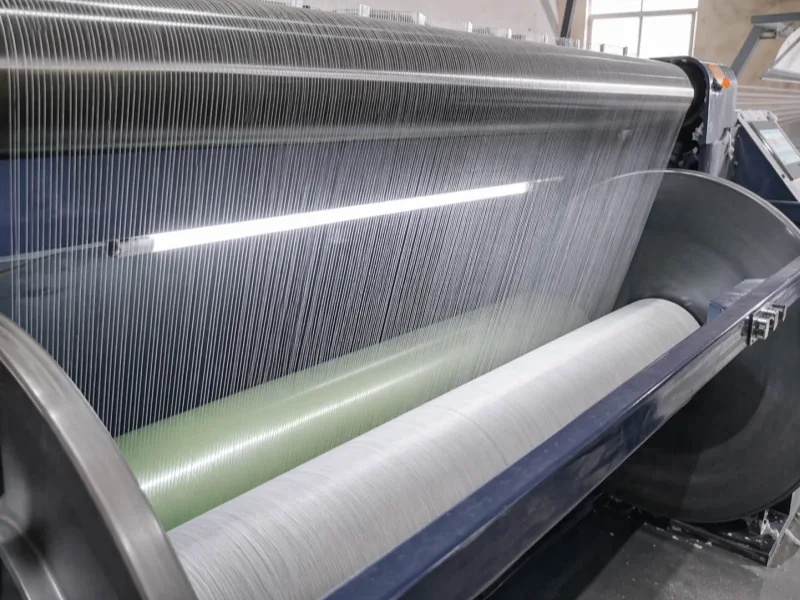
More likely to react to excessive traction, unstable tension, or poor support geometry, especially where the material is soft, stretch-sensitive, or easier to distort.

Coated fabric lines

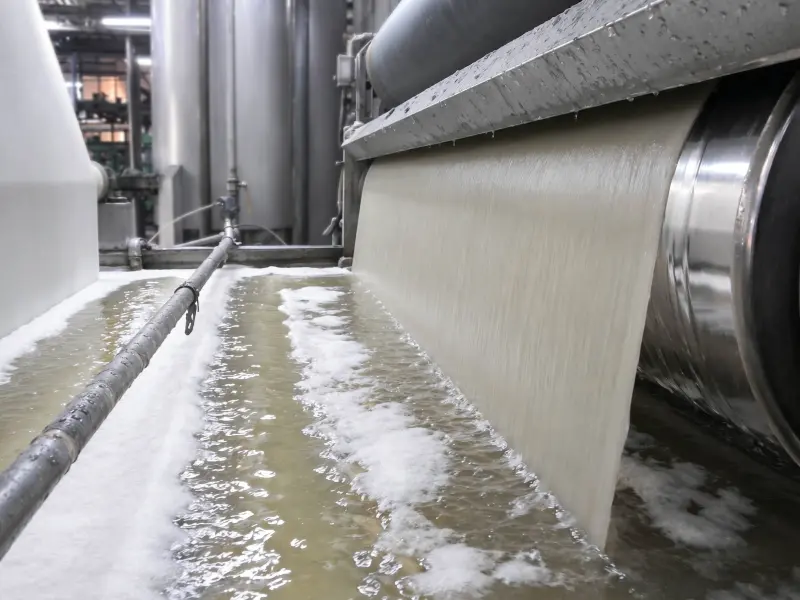
Usually place more attention on release behavior, surface cleanliness, heat suitability, and how the roller supports treated or tack-influenced surfaces.

Finishing-related sections

May involve drying, coating support, treatment contact, or post-finish transport where the roller has to stay consistent under changing surface conditions.

Winding and rewinding sections

Need stable tension response, controlled contact, and repeatable roll formation, especially when edge condition, fabric thickness variation, or surface sensitivity affects build quality.

At this level, the more useful question is usually not “What is the machine called?” but “What is the roller expected to do here?”

Common Roller Needs Across Textile Processing Applications

Guiding Stability

Textile webs do not always track like film or paper. Weave structure, stretch response, surface finish, moisture variation, and edge condition can all change how the material follows the line. Guiding-related positions often need more attention to running behavior, alignment sensitivity, and surface interaction with the fabric.
Clean, Controlled Transport

Some sections mainly require the fabric to move steadily without slipping, dragging, or surface marking. In these cases, traction has to be balanced against marking risk, distortion risk, and general handling stability.

Coating and Finishing Support

Where the roller works near coated, treated, or finished surfaces, the requirement may shift toward release behavior, chemical suitability, thermal resistance, and more stable support under changing contact conditions.

Tension-Related Running

Wrinkling, wandering, folding, or unstable passage through different sections is often tied to more than one factor. Roller surface choice, geometry consistency, contact pressure, and the way the fabric reacts under line tension can all influence the result.

Winding Consistency

In winding and rewinding sections, problems often show up as uneven roll build, poor edge formation, telescoping tendency, or unstable final package quality. These positions usually depend on steady traction, controlled nip behavior, and repeatable contact over time.

How to Choose the Right Direction for Your Line

If the issue is guiding

Look at where drift starts, where wrinkles first appear, and whether the fabric responds differently after a change in finish, moisture, or tension. That usually points toward a guiding-related roller requirement.

If the issue is transport

Focus on whether the fabric is slipping, dragging, marking, or running inconsistently through normal sections of the line. This usually suggests a transport and surface-contact direction.

If the issue is coating or finishing support

Check whether the roller is close to coated, treated, heated, or chemically exposed fabric surfaces. In those positions, release, heat suitability, and surface stability often matter more than simple grip.

Orange industrial roller on grinding machine

If the issue is tension-related

Review whether the fabric is stretching, relaxing, wandering, or forming wrinkles as it moves between sections. This often points to a tension-sensitive handling problem rather than a purely guiding problem.

If the issue is winding-related

Look at roll formation, edge condition, tightness variation, and rewind consistency. That usually indicates the need to move toward a winding-focused roller direction.

If you already have drawings, current dimensions, samples, or line photos, that helps. If you already know the roller design or have an existing drawing, you can send it directly for review and quotation.

Frequently Asked Questions

Common positions include transport rollers, guiding rollers, support rollers near coating or finishing sections, tension-related handling positions, and winding or rewinding rollers. The right direction depends on the fabric structure, surface condition, running tension, temperature exposure, and whether the material is woven, knitted, coated, or already finished.

Start with the line situation rather than the product name. If the main issue is drift or unstable tracking, move toward a guiding-related page. If the problem is slipping, dragging, or marking during normal running, a transport-related direction is usually more relevant. If the problem appears near treated surfaces, drying, or coated contact, go toward coating or finishing support. If the problem shows up at roll formation, rewind quality, or edge build, move toward a winding-related page.

If the fabric mainly fails to stay aligned, shifts sideways, or shows tracking instability that develops through the line, it is usually guiding-related. If the fabric is moving but slipping, dragging, or getting marked at the contact surface, the issue is more often transport-related.

When the problem appears close to treated surfaces, tacky contact, drying exposure, finishing chemistry, or release-related contact, the roller requirement usually goes beyond basic transport. In these cases, surface behavior, chemical suitability, and heat resistance often become more important.

If the main result is poor roll build, uneven tightness, edge disorder, telescoping tendency, or unstable rewind quality, the problem is usually better treated as winding-related, even if the first visible symptom appears earlier in the line.

Request a Quote

To get started, simply send us the material information, the roller position on the line, and the specific problem you want to solve. If you already have drawings or a confirmed roller solution, send them directly and we can produce based on your project requirements.