Size Press Orange Peel: Film Splitting at the Nip Exit

Size Press Orange Peel: Film Splitting at the Nip Exit Orange peel after film sizing appears as a fine, irregular texture on the paper surface, sometimes accompanied by uneven gloss. It can develop when the wet sizing film separates unevenly as the sheet leaves the press nip. The film stretches between the paper and applicator

Size Press Orange Peel: Film Splitting at the Nip Exit Read More »
Blown Film Main Nip Roll Covers: What to Specify

Blown Film Main Nip Roll Covers: What to Specify If your existing blown film nip rollers have been sealing the bubble, pulling the film steadily, and leaving the folded edges undamaged, start with the original drawing or confirmed specification. When the film structure, haul-off speed, and nip arrangement remain unchanged, the existing rubber cover specification

Blown Film Main Nip Roll Covers: What to Specify Read More »

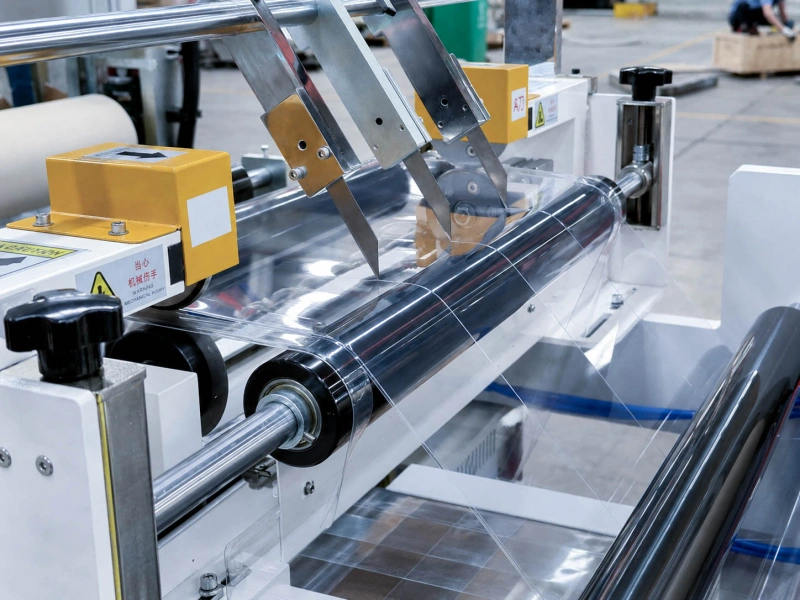
Transparent plastic sheet running through a roller processing machine

Glass Washer Conveyor Rolls: Choosing Rubber Covers

Glass Washer Conveyor Rolls: Choosing Rubber Covers Glass washer conveyor rollers work under different conditions in the washing, drying, and offload sections. Wet-section rolls need enough grip to move glass through water and cleaning solution. Rolls farther downstream contact freshly rinsed or cleaned glass, where surface contamination and cover damage become more critical. Before ordering

Glass Washer Conveyor Rolls: Choosing Rubber Covers Read More »

Marks on Glass After Washing: When to Check Conveyor Rolls

Marks on Glass After Washing: When to Check Conveyor Rolls Marks on glass after washing may appear as pale water rings, straight scratches, oily smudges, or evenly spaced impressions. Start with the appearance of the mark, then find the first stage where it shows up. Water rings suggest rinse residue or drying problems. Scratches call

Marks on Glass After Washing: When to Check Conveyor Rolls Read More »

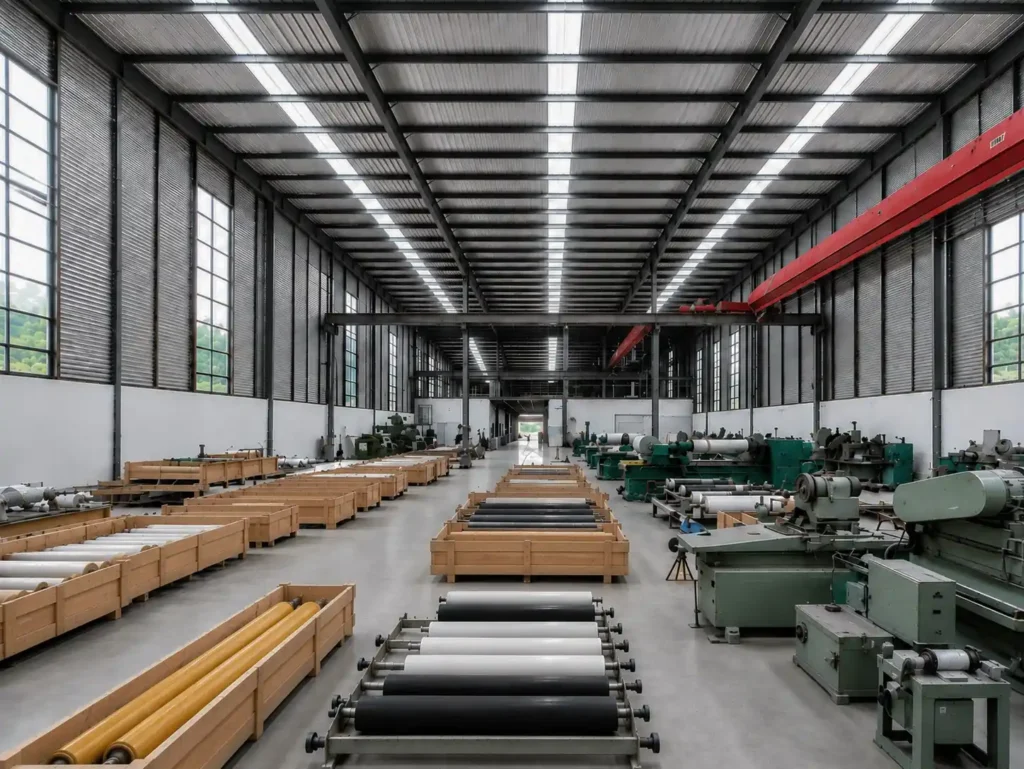
Industrial rubber roller manufacturing workshop with machining equipment and finished rollers

Can Decorating Ink Roll Covers: What Replacement Requires

Can Decorating Ink Roll Covers: What Replacement Requires Replacing a rubber-covered ink roller on a two-piece can decorator starts with the exact roller position and original specification. These machines print on formed can bodies. Ink form rollers contact the printing plates, while other inker rolls distribute and transfer ink. Each position has its own requirements.

Can Decorating Ink Roll Covers: What Replacement Requires Read More »

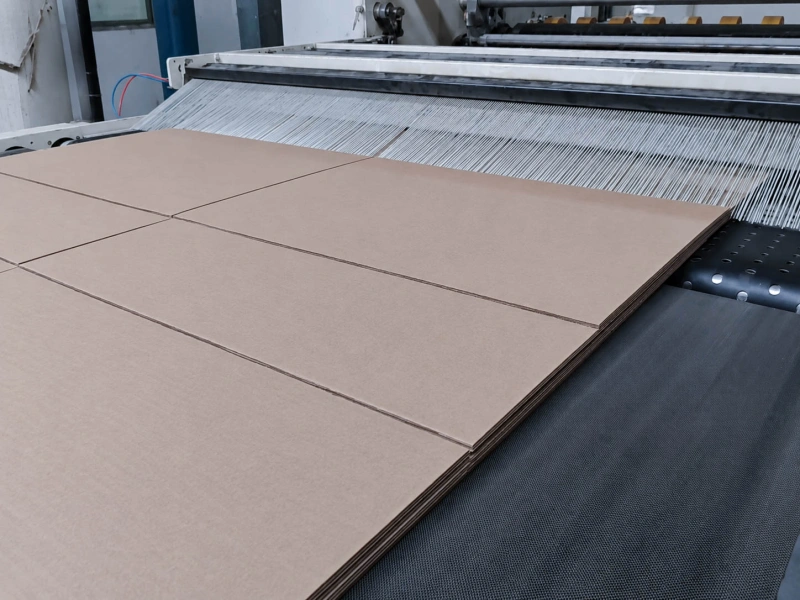
Stacked cardboard sheets moving through a cardboard production line

Corrugated Box Feed Roll Covers: Grip Without Board Crush

Corrugated Box Feed Roll Covers: Grip Without Board Crush When a corrugated box feed roller starts slipping or needs replacement, first identify the feed/pull roller pair on the flexographic press. Check whether both rollers are rubber-covered or the rubber feed roller works against a lower metal pull roller. Next, compare the original cover specification with

Corrugated Box Feed Roll Covers: Grip Without Board Crush Read More »

Color-coated aluminum coil running through an industrial coating line

Wide-Belt Sanding Contact Roll Covers: Selection Guide

Wide-Belt Sanding Contact Roll Covers: Selection Guide Replacing a wide belt sander contact roll starts with the sanding head’s job. Thickness calibration needs firm support for material removal. Pre-sanding prepares the board for the next stage, while lacquer finishing requires more controlled contact. These operations may use steel drums, rubber-covered drums, or platens. If the

Wide-Belt Sanding Contact Roll Covers: Selection Guide Read More »