
Corrugated Box Feed Roll Covers: Grip Without Board Crush
When a corrugated box feed roller starts slipping or needs replacement, first identify the feed/pull roller pair on the flexographic press. Check whether both rollers are rubber-covered or the rubber feed roller works against a lower metal pull roller.
Next, compare the original cover specification with the flute grade, board thickness, and previous feeding performance.
If the original roller fed the same board reliably without crushing the flutes, its verified specification is a practical replacement starting point.
If the board grade has changed, or slipping and crushing now occur at the same feed contact, check the roller pair and old cover condition before ordering. A worn roller may no longer show its original diameter or surface pattern.
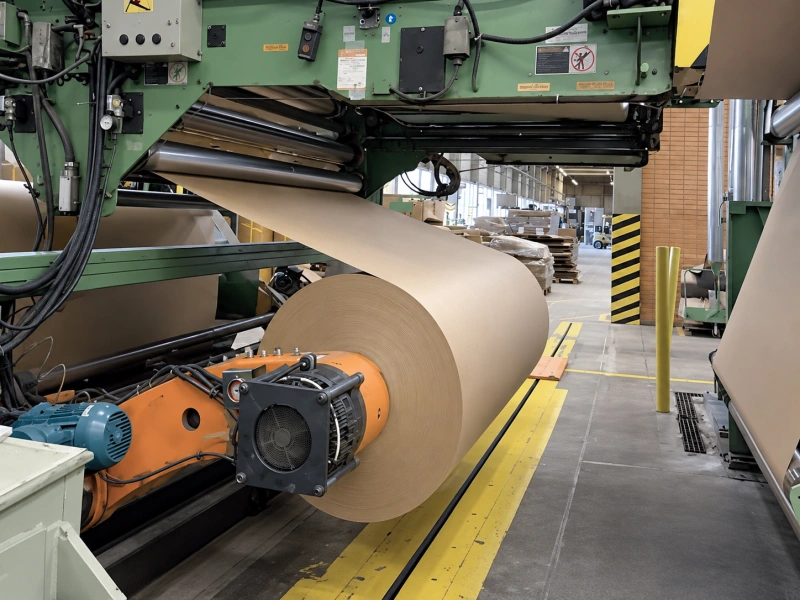
Check Which Feed Roller Is Rubber-Covered
Some corrugated flexographic presses use an upper rubber-covered feed roller paired with a lower knurled steel pull roller. The two rollers work together to move the sheet into the printing section. Other machines may have different arrangements.
Check the press model, OEM part number, or an installed roller photo to identify the component being replaced.
Look at the mating surface as well. The rubber cover may have worn smooth, while the lower steel roller may have damaged knurling, rust, or dried ink. If the metal surface is causing poor contact, replacing the rubber alone will leave that problem unresolved.
This matters when a maintenance request simply says “feed rollers worn.” The replacement order needs to identify the actual rubber-covered component.
For that component, the main requirement is stable grip during sheet feeding. Wolorin’s Traction Rollers page provides related product information. The actual OEM configuration remains the basis for specifying the replacement.
Match the Grip to the Board Grade
A feed roller needs enough grip to move the sheet without slipping or skewing. The contact must also protect the flutes inside the board.
The same roller pair can give different feeding results when flute grade or board thickness changes. A cover that worked well with the previous board may behave differently on a new grade.
Increasing contact pressure can sometimes improve grip. Excessive compression, however, can damage the flute structure.
The condition of the board helps determine where the replacement review should begin.
Grip Has Declined, but the Board Is Still Intact
Consider a press that has processed the same board grade for a long time. Feeding gradually becomes less stable, but the sheets show no visible crushing.
Inspect the rubber cover for polished areas, worn texture, and uneven contact. If these changes correspond with the feeding problem, replacing the worn cover to its original specification is a reasonable direction.
A different compound or surface pattern is unnecessary when the original design was working well and wear explains the loss of grip.
Slipping and Crushing Begin After a Board Change
Suppose a press switches to a different flute grade or board thickness. The new sheets begin slipping, and damage appears around the same feed contact.
Check whether the existing roller pair and contact arrangement are suitable for the new board. Changing the rubber surface without resolving an unsuitable contact condition may leave the problem unchanged.
Damage location provides another clue. If the sheet is already slipping before this roller pair, or the damage first appears farther downstream, that area needs attention before the feed roller is blamed.
What the Old Roll’s Wear Pattern Reveals
On presses that feed sheets centrally, the middle of a feed roller may contact nearly every sheet, while the ends work mainly when wider boards are processed.
Over time, the central rubber surface can wear faster and develop a slightly concave profile. The original texture may remain visible near the ends, even after the middle has become smooth or reduced in diameter.
This changes how the roller grips the board.
As the middle wears down, the gap between the mating surfaces can become greater in that area. Grip may weaken even though the outer portions of the cover still look usable.
Increasing contact pressure to compensate can create another problem. The less-worn areas may receive more compression, particularly when wider sheets use more of the roller face. Excessive pressure also increases the risk of flute damage.
Look at the old roller across its full working width:
- Compare the center with both ends. Is the texture worn away in the middle while the outer sections still retain it?
- Check for a visible depression or uneven outside diameter.
- Compare the wear bands with the sheet widths normally processed.
If the loss of grip corresponds with a worn band, the cover becomes a stronger replacement candidate.
If the surface remains even and the wear pattern does not match the feeding problem, inspect the mating roller and feeder condition before changing the rubber specification.
When Can the Original Cover Be Replaced Directly?
A straightforward replacement works best when the original roller performed well, the board requirements have not changed, and the OEM specification is available.
When those conditions are unclear, the following comparisons help identify what needs attention before ordering.
Choose the Replacement from the Board and Old Roller
| Board | Old Cover | Feeding Result | Next Step |
|---|---|---|---|
| Same flute grade and thickness | Working band worn; original texture visible near the ends | Grip has declined without crushing | Restore the verified original cover specification. |
| Same board specification | Texture intact; no matching wear band | Feeding remains unstable | Inspect the mating roller and feeder condition first. |
| Changed flute grade or thickness | Original texture still intact | New board slips without visible crush | Confirm the new feeding requirement before changing the cover. |
| Changed board specification | Original pattern unclear or heavily worn | Slipping and crushing at the same feed contact | Recover OEM details and check the roller pair before specifying a new cover. |
The original pattern should come from a verified OEM drawing or specification. A photograph of a heavily worn cover may show only the remaining texture.
Proprietary tread designs should not be copied from another supplier’s product photographs. Use an authorized OEM specification or an independently defined surface design after confirming the relevant rights.
Confirm the Original Dimensions Before Ordering
For a routine corrugated box feed roller replacement, drawings or confirmed original specifications provide the clearest manufacturing basis.
The main details are the finished outside diameter, rubber face length, shaft-end dimensions, cover hardness, and specified surface finish.
Pay particular attention to the outside diameter. If the old cover has worn down, its current measurement may be smaller than the original finished size. Copying the worn diameter could produce a replacement with an incorrect contact geometry.
The same caution applies to surface texture and hardness. Wear can change the working surface, while an aged cover may no longer represent its original hardness. Use the drawing or confirmed specification where available.
If the existing cover worked well and operating requirements remain unchanged, the replacement can follow the original construction.
For a changed application or repeated roller-related failure, Wolorin can review the rubber-covered component using the available specifications, board grade, mating surface, and observed wear.
Related Pages
Rubber-covered rollers for controlled grip and stable material feeding.
Roller requirements for controlled contact and pressure distribution.
Rubber roller applications in paper feeding, transport, and converting.
Send drawings, dimensions, samples, or confirmed specifications to Wolorin for replacement quotation and manufacturing confirmation. If those are incomplete, share the feed-roll position, board grade, mating surface, old-roll photos, and current slipping or marking issue.