Glass Processing Rubber Rollers

Wolorin manufactures custom rubber-covered rollers for glass washing machines, flat glass conveyors, and selected glass handling equipment. We supply complete roller assemblies with metal cores, rubber coverings, and machined shaft ends, made to match the dimensions and working conditions of your equipment.

Roller requirements change along a glass processing line. At the washer entrance, glass particles and cutting residue may reach the contact surface. Inside the machine, conveyor rollers operate in water and cleaning solutions. At the outfeed, even a small amount of residue on a roller may leave marks on glass that has already been cleaned.

We manufacture replacement glass washer rollers from confirmed drawings, existing roller specifications, or measured samples. If an old covering has worn unevenly, swollen, or developed surface damage, those details can be considered when preparing the replacement.

You can start with a machine model, old roller photographs, approximate dimensions, or the roller's position. A complete drawing is not necessary for the first enquiry.
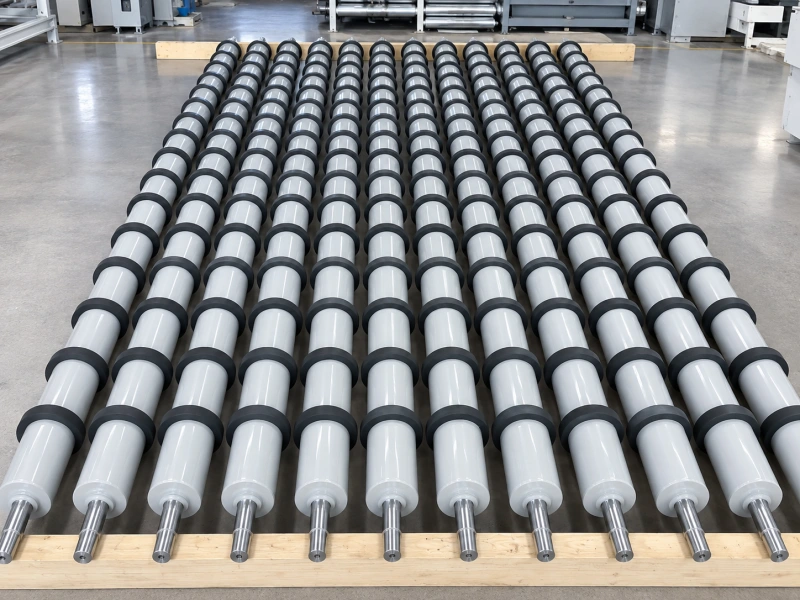
Glass handling conveyor rollers

Where Rubber-Covered Rollers Work in Glass Processing

Flat and architectural glass typically passes through cutting, edge processing, washing, drying, and inspection before further fabrication. Rubber-covered rollers carry or contact the glass at positions where the machine is designed to use them.

A roller at the washer entrance may have very different requirements from one near the drying section.

Glass-line position Roller duty Working conditions Replacement requirements
Infeed conveyor Transfers glass into the washer Cutting residue, glass particles, dry or damp contact Original diameter, covering layout, shaft and drive connection
Washing and rinsing conveyor Moves glass through the washer Water, cleaning solution, wet glass contact Suitable covering, original geometry and mounting fit
Upper pinch or hold-down roller, where fitted Maintains contact with a lower roller Glass thickness, contact setting and alignment Original paired-roller arrangement and contact geometry
Drying and outfeed conveyor Supports and transports cleaned glass Residual moisture and contamination-sensitive contact Cleanable surface, covering integrity and running fit

From cutting and edge processing to the washer

Freshly processed glass may carry small fragments, abrasive residue, or cutting fluid. Particles trapped between the glass and an infeed roller can damage the surface, particularly when the sheet slides during transfer.

The condition of the covering matters, as does the movement between adjacent conveyors. If their surface speeds differ, glass may drag across a roller that is otherwise in good condition.

For driven positions, replacement rollers must retain the original drive roller dimensions, shaft connection, and mounting arrangement.

Inside the washing machine

Rubber-covered conveyor rollers move the glass through washing and rinsing. Brushes perform the mechanical cleaning, while spray systems and air knives handle washing, rinsing, and drying.

Washer construction varies. Some machines use fully rubber-covered conveyor rollers; others use intermittent coverings or separate rubber rings along a shaft. The original contact arrangement must be identified before manufacturing a replacement.

A roller with separate contact sections should not automatically be replaced with a continuous covering, even when its overall dimensions appear identical.

Drying and outfeed

Drying and outfeed rollers handle glass after the final rinse. Dirt, embedded particles, or damaged rubber can transfer contamination onto the cleaned surface.

A roller may need attention even when its overall covering thickness appears acceptable. Local cuts, gouges, and accumulated residue are often more relevant at this stage than general wear.

Glass Surface Protection Starts at the Roller Contact

Glass is rigid, but its surface and edges remain vulnerable during handling. The sheet's dimensions, the supporting rollers, and the condition of the rubber all influence contact.

Supporting different glass sizes and thicknesses

Larger or thicker sheets place greater loads on the conveyor. The load is distributed across the machine's support points, so rubber hardness cannot be selected from glass weight alone.

For a replacement, the finished outside diameter is particularly important. A diameter change can alter the support height or contact relationship with adjacent rollers.

Where an upper roller works against a lower conveyor roller, the original spacing and contact setting must also be preserved. Changes to the machine's support arrangement require review by the equipment engineering team.

Preventing damage from trapped particles

Rubber may be softer than glass, but its surface can retain hard glass fragments. A trapped particle can scratch the sheet as it moves over the roller.

If scratches begin near the washer entrance, inspect both the incoming glass and the rollers at that position. Look for embedded fragments, cuts, and localized damage that remains after cleaning.

A covering that can be cleaned and inspected easily is useful wherever glass particles are likely to reach the roller.

Contact with coated glass

Coated glass requires particular attention to which surface touches the conveying equipment.

Pilkington, for example, recommends carrying its Activ coated glass through a washer with the coating facing away from the support rollers. This reduces contact with the coated surface. The instruction applies to that specific glass range.

For coated-glass handling, the replacement specification should identify the glass product, permitted contact face, and original roller arrangement.

Surface cleanliness and the possibility of material transfer also matter. Selecting softer rubber alone will not address an unsuitable contact arrangement or particles embedded in the covering.

Rubber Covers for Wet Glass Washing Conditions

Glass washer conveyor rollers may operate continuously in water and cleaning solutions. Their covering must maintain suitable contact with the glass while tolerating the actual washing environment.

Wet Contact and Slipping

A roller that conveys glass normally when dry may begin slipping or hesitating in the washing section.

At the affected position, inspect the covering surface, drive connection, and contact setting. If the rubber has become smooth, damaged, or contaminated, its wet-contact behavior may have changed.

A more aggressive surface texture is not always the answer. The required grip must be considered alongside the glass surface and the original contact arrangement.
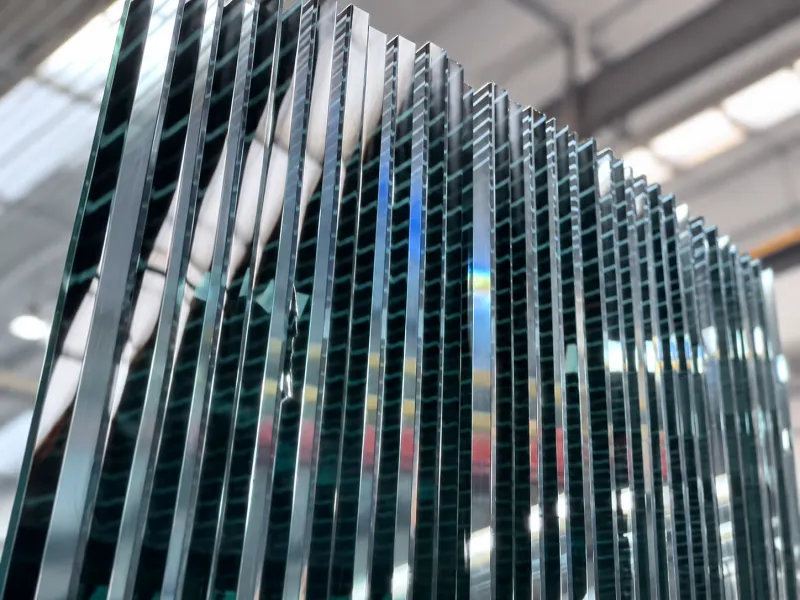
Glass sheets in processing factory

Cleaning Chemicals and Covering Deterioration

The cleaning solution may affect rubber over time. Common signs worth investigating include swelling, softening, hardening, cracking, and deterioration near the covering edges.

For example, if a roller begins swelling after a change in cleaning solution, the original rubber specification should be checked against the new chemical exposure before another roller is made.

The solution composition, concentration, operating temperature, and exposure duration are all relevant.

An EPDM rubber roller may be considered for suitable water-based environments. NBR is another material direction where the original specification and actual cleaning conditions support its use.

If the existing material has performed satisfactorily, its specification provides a useful starting point. Premature deterioration calls for closer examination of the exposure conditions and the damaged covering.

Protecting the Complete Assembly

Wet service also affects the metal construction. Water may reach exposed shaft ends, damaged covering edges, or areas where the rubber has separated from the core.

Check the old roller for corrosion, shaft damage, and loss of adhesion. The replacement should retain the required mounting and drive fit while addressing any confirmed construction problems.

When Glass Marks or Slipping Call for Roller Inspection

Marks appearing after washing can originate at several points in the process. Their shape, spacing, affected glass face, and first appearance help identify which components deserve attention.

Repeating Marks on Cleaned Glass

A regularly repeating mark may point to a particular roller.

Glass washer manufacturer Billco notes that dirt or oily residue on drying and unloading rollers can leave marks spaced approximately one roller revolution apart.

If marks first appear after the outfeed section, compare their spacing with the circumference of the rollers in that area. Inspect the suspected covering for residue, embedded particles, cuts, and localized damage.

A matching pattern helps identify which roller to examine before ordering a replacement.

Flat Spots and Uneven Contact

Some washing machines use upper pinch rollers working against lower conveyor rollers.

Excessive contact between them can create flat spots in the rubber covering. Billco identifies this condition as a possible source of marks on coated glass.

If the covering has developed flat spots, check the original contact setting and the condition of both rollers. Replacing the damaged roller without correcting the setting may lead to the same problem again.

Water Streaks and Scratches

Water streaks may come from minerals in the rinse water or problems in the drying section. Scratches can originate from glass fragments trapped in brushes, conveyor rollers, or equipment farther upstream.

The location where a defect first appears is useful evidence. A damaged roller should be examined when the marks correspond to its contact position. When the cause lies in water quality, brushing, or drying, the relevant equipment condition needs attention.

Slipping During Washing

When glass movement becomes unstable only in the wet section, compare roller rotation with the actual movement of the sheet.

Inspect the rubber surface for wear or deterioration, then check the drive and contact arrangement. A replacement may be needed if the covering has lost its required contact behavior.

Choosing the Rubber Cover and Roller Construction

The existing roller is usually the starting reference for a replacement. Its dimensions, construction, material, and service history help establish whether the original specification should be retained or changed.

Cover Material, Hardness, and Surface Finish

The material should suit the roller's position and working conditions.

For selected dry conveying positions where wear is a concern, polyurethane rubber rollers may be considered. Wet washing positions require closer attention to the cleaning medium and chemical compatibility.

Hardness must suit the covering thickness, contact arrangement, and operating load. Changing it may alter the contact between paired rollers or the way the glass is supported.

Surface finish also depends on the position. An infeed roller may need suitable grip, while a drying or outfeed roller places greater emphasis on cleanliness and avoiding particle retention.

The original finish should be retained when it has performed well. Any change should address an identifiable problem or new operating requirement.

Metal Core, Covering, and Shaft Ends

Glass processing rubber rollers require more than a matching outside diameter.

The replacement drawing should establish the working face length, covering thickness, metal-core construction, bearing seats, shaft dimensions, drive connection, and mounting details.

A roller with separate covered sections also needs the width and location of each section recorded. These dimensions determine where the rubber contacts the glass.

For equipment with paired rollers, the original pinch roller geometry and contact requirements must be preserved.

When the Old Design Needs to Change

A roller that has performed well under unchanged conditions can generally be reproduced from its confirmed specification.

Premature wear, repeated slipping, swelling, or loss of adhesion may justify a different covering or construction.

If the metal core and shaft ends remain suitable, re-covering may be an option. Where the core or mounting surfaces are damaged, a complete new assembly may be necessary.

Replacing Glass Washer Rollers Without an Original Drawing

A replacement enquiry can begin with the existing roller and basic machine information. The final dimensions and construction can then be established before manufacture.

The most useful details are:

  • Machine and roller position: Equipment model, installation location, and whether the roller is driven or free-running.
  • Dimensions: Outside diameter, working face length, overall length, covering thickness, and shaft dimensions.
  • Construction: Metal core, covering arrangement, bearing seats, and drive connection.
  • Glass and operating conditions: Glass type and thickness, contact face, wet or dry position, and cleaning medium where applicable.
  • Current roller condition: Wear, swelling, slipping, covering damage, or suspected roller marks.

Photographs of the complete roller and both shaft ends help identify the original construction. If the covering has failed, a close-up of the affected area can also be useful.

Check Measurements from a Worn Roller

Wear may reduce the outside diameter. Chemical swelling can increase it.

Measurements taken from the old covering may therefore differ from the original specification. Compare them with an equipment drawing, an unused spare, or an undamaged reference where available.

Similar-looking rollers can also have different shaft ends, bearing seats, or covering layouts. Each distinct position should be identified when several rollers are ordered together.

Once the dimensions, construction, material, and required inspection criteria have been confirmed, they form the manufacturing specification for the replacement.

Glass Washing and Handling Applications

Wolorin supplies custom rubber-covered roller assemblies for suitable positions in flat and architectural glass processing equipment.

Flat and Architectural Glass Washing

Complete rubber-covered rollers for applicable infeed, washing, rinsing, drying, and outfeed positions, manufactured to the original machine arrangement.

Glass Washer Conveyor Roller Replacement

Replacement assemblies matched to confirmed dimensions, covering layouts, metal-core construction, and shaft requirements.
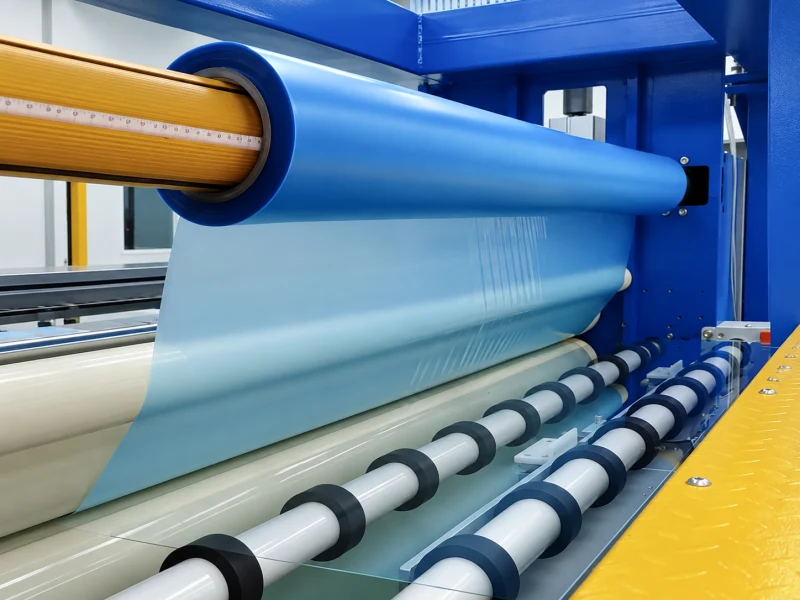
Glass processing line with rubber rollers

Glass Handling Before Further Fabrication

Rubber-covered transfer rollers used where glass moves between cutting, edge processing, washing, inspection, or subsequent production equipment.

Selected Coated-Glass Handling

Replacement rollers for positions where the glass manufacturer's contact requirements and the original equipment specification have been confirmed.

Frequently Asked Questions

How Is a Rubber-Covered Conveyor Roller Different from a Cleaning Brush?

The conveyor roller supports and moves the glass. A brush provides mechanical cleaning. The two components have different constructions and replacement specifications.

Can the Same Roller Be Used for Coated or Laminated Glass?

The contact material and surface must be identified first. Coated glass may have specific restrictions on roller contact. In laminated-glass equipment, the roller may contact glass, a protective sheet, or another material, depending on the position. These conditions determine whether an existing specification remains suitable.

Can an Old Glass Washer Roller Be Re-Covered?

Re-covering may be suitable when the metal core, shaft ends, and original construction remain serviceable. A damaged core, worn bearing seats, or unsuitable shaft construction may call for a complete replacement.

What Information Is Enough to Request a Replacement Without a Drawing?

Start with the machine model, roller position, photographs, and approximate dimensions. The glass type, operating environment, and any problems with the old roller are helpful. Essential manufacturing dimensions and construction details can be confirmed before production.

Common Roller Types and Materials for This Application

Browse More Roller Categories

By Material · By Function · Applications

More About Wolorin

Need a Replacement Glass Washer Roller?

Wolorin manufactures complete replacement glass washer rollers and custom rubber-covered rollers for glass conveying equipment.

Send your existing drawing, roller dimensions, or photographs of the old assembly. If available, include the machine model, roller position, glass type and thickness, coated or uncoated contact face, and any water or cleaning solution the roller encounters.

If the current roller shows uneven wear, swelling, slipping, damaged rubber, or suspected contact marks, describe the problem and where it occurs.

These details help us reproduce the original construction and establish any material or dimensional changes required before manufacture. You can begin with the information you already have.