Color-coated Steel Coil Zebra Mark Case
The Problem
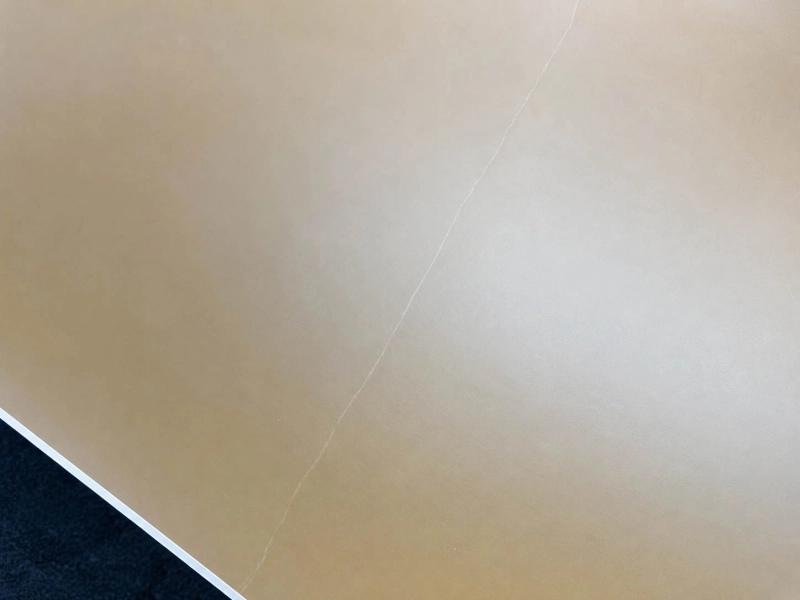
A color-coated steel coil line was seeing zebra-like marks and uneven surface patterns during production.
The issue did not appear as one simple line mark. The coated steel surface showed banding, uneven streaks, and changing surface patterns that looked like zebra marks. After the roller surface was cleaned, the coating appearance improved for a short time. But after one or two days of running, the same type of pattern came back.
The customer had been trying to keep the rollers usable by cleaning the surface and machining off part of the rubber cover. That could give a short temporary improvement, but it did not stop the problem from returning.
This was an important signal. If cleaning the roller helped for only a short time, the issue was probably not just one-time dirt or a single adjustment problem. The roller surface was changing during production.
For related coating-line surface defects, see coating and laminating defects.
Roller Details / Project Details
This project was handled as a coating-contact rubber-covered roller for a color-coated steel coil line.
The roller worked in a coating area where the surface condition of the rubber cover directly affected the painted surface appearance. The roller was exposed to coating material, cleaning-agent contact, solvent-related conditions, pressure contact, and continuous surface friction.
The reviewed roller specification was:
In this position, the roller was not only supporting the coil. It was part of the coating contact condition. A small change in the rubber surface could quickly show up as a visible surface pattern on the finished steel coil.
Why the Roller Became the Main Review Point
The strongest signal was the cleaning pattern.
When the roller was wiped clean, the coating appearance improved for a short time. But after one or two days, the zebra marks and uneven patterns returned. That showed the issue was not only caused by visible dirt on the surface. The rubber cover itself was not maintaining a stable surface condition during running.
In a color-coated steel coil line, the roller surface can be affected by coating material, solvent-related media, cleaning agents, repeated pressure, and surface friction. If the compound is not suitable for this contact environment, the surface can become slightly swollen, softened, polished, contaminated, or uneven after running.
Once that happens, the coating transfer or contact condition becomes unstable. The result can appear as zebra marks, banding marks, uneven gloss, or changing surface patterns.
The previous approach was mainly to clean the roller or machine off part of the cover so the surface looked better again. That can work for a short period, but it does not correct the compound behavior. If the surface keeps changing after production starts, the material and cover specification have to be reviewed.
For related material-contact checks, see ink, adhesive, and solvent contact rubber rollers.
Roller Specification Used
The replacement roller kept the original mounting dimensions, but the cover material and surface specification were changed.
A solvent-resistant and wear-resistant polyurethane compound was used for this coating-contact position. The purpose was not only to improve wear life. The roller also needed to maintain a stable surface under coating contact, cleaning-agent exposure, solvent-related conditions, repeated pressure, and surface friction.
The final roller specification included:
special polyurethane cover for coating-contact service
improved solvent resistance for coating-line media
improved wear stability under repeated pressure contact
approximately 85 Shore A hardness
approximately 18 mm rubber cover thickness
fine ground surface finish across the full roller face
better surface consistency after running
precision review of concentricity and finished roller accuracy
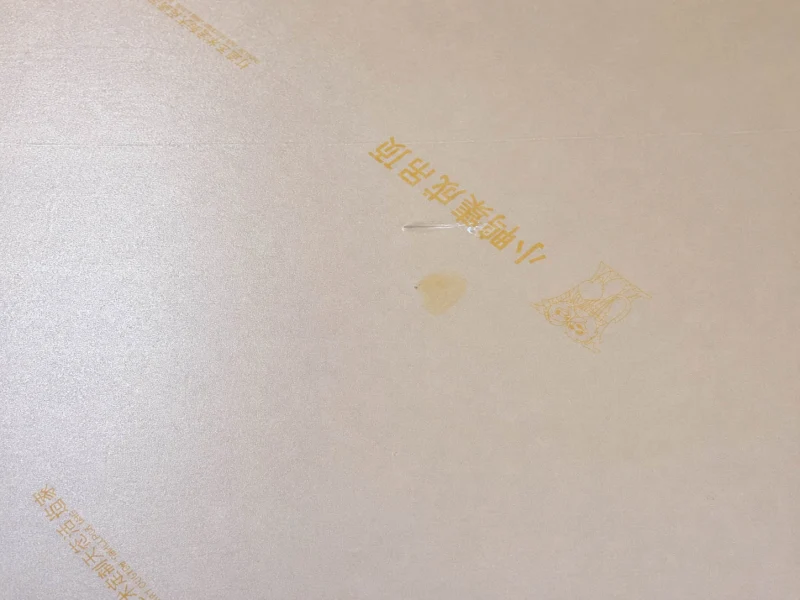
The roller was not treated as a simple size replacement. The key point was to reduce the surface change that kept returning after one or two days of production.
For this type of line, a roller can look acceptable after cleaning or machining, but still fail again if the cover material does not match the real coating environment.
Result
After the replacement roller was installed, the zebra marks and uneven coating patterns no longer returned in the same way after short running time.
The coating appearance became more stable, and the roller surface did not need the same frequent cleaning or machining correction. The line could run with a more consistent coated surface instead of stopping after one or two days for the same roller-related mark problem.
This case was not handled as a simple surface-cleaning issue. The practical correction was to match the roller compound, surface finish, hardness, and coating-contact condition together.
What This Case Shows
This case shows why zebra marks on color-coated steel coil should not be reviewed only as a cleaning or grinding problem.
Cleaning can improve the surface for a short time. Machining the rubber cover can also make the roller look better temporarily. But if the same marks return after one or two days of running, the roller surface is probably changing under the real operating conditions.
For similar coated steel or coated metal coil lines, the review should include:
- whether cleaning only gives short-term improvement
- whether the same marks return after one or two days
- whether the roller contacts coating material, solvent, or cleaning liquid
- whether the rubber surface becomes swollen, polished, sticky, or uneven
- whether machining the cover only delays the problem
- whether the compound is suitable for coating-contact service
- whether the mating roll and pressure contact are stable
A zebra mark problem may look like a surface issue at first, but the real cause can be the roller surface losing stability during production.
For related surface contamination and sticking problems, see material sticking to rubber roller surfaces.
Information That Helps Similar Projects
For similar color-coated steel coil or coated metal coil lines, the first review does not need to start with complete drawings.
These details are usually enough to begin:
- photos of the zebra marks or uneven coating patterns
- photos of the roller surface before and after cleaning
- how long the roller runs before the marks return
- whether cleaning improves the surface only for a short time
- whether the rubber cover has been machined or reground repeatedly
- roller position on the coating line
- mating roll material and surface condition
- roller diameter, face length, cover thickness, and hardness
- current cover material, if known
- coating, cleaning-agent, or solvent contact information
For this type of issue, the roller surface after one or two days of running is often more useful than the roller surface immediately after cleaning.
Related Pages
Start a Similar Roller Review
If your color-coated steel coil line or coated metal coil line is seeing zebra marks, uneven coating patterns, short-term improvement after cleaning, or repeated roller surface correction, you can send us the roller position, photos of the marks, and the basic roller details.
For this type of issue, the first review does not need to start with complete drawings. Photos of the coated surface, the roller surface before and after cleaning, the mating roll, and any known coating or cleaning-agent contact are usually enough to begin.
If you already have drawings, sizes, samples, or a clear specification, you can send them to us directly. We can proceed with custom manufacturing, quotation, or production confirmation based on your documents.