Industrial Rubber Rollers by Material
Different rubber roller materials can differ significantly in heat resistance, wear resistance, chemical resistance, surface behavior, and long-term running stability. If you already have a general idea of which material direction you want to review, you can start here and go directly to the corresponding material page.
Conventional Rubber Materials
Start with several of the more common rubber compounds that are also easier to use as a starting point for project evaluation.
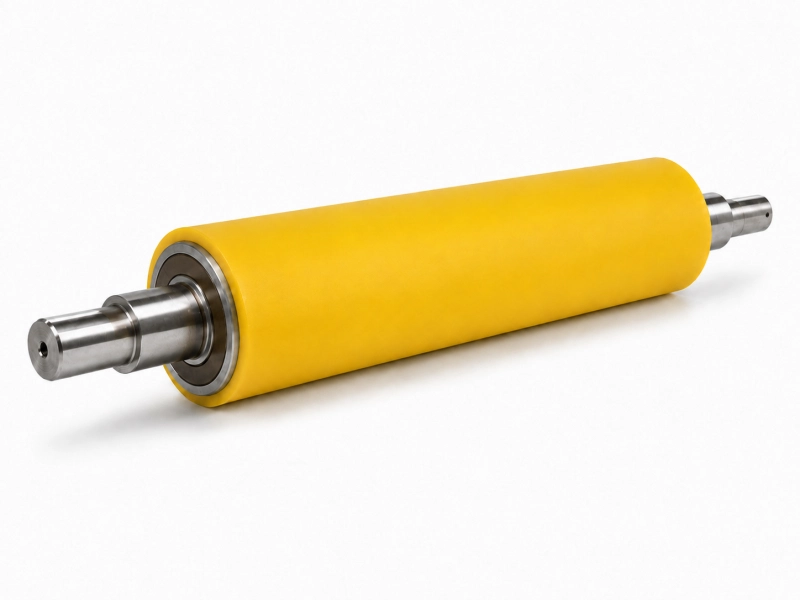
Polyurethane Rubber Rollers
Often used where wear resistance, load-bearing performance, grip, and long-term running stability are more important.
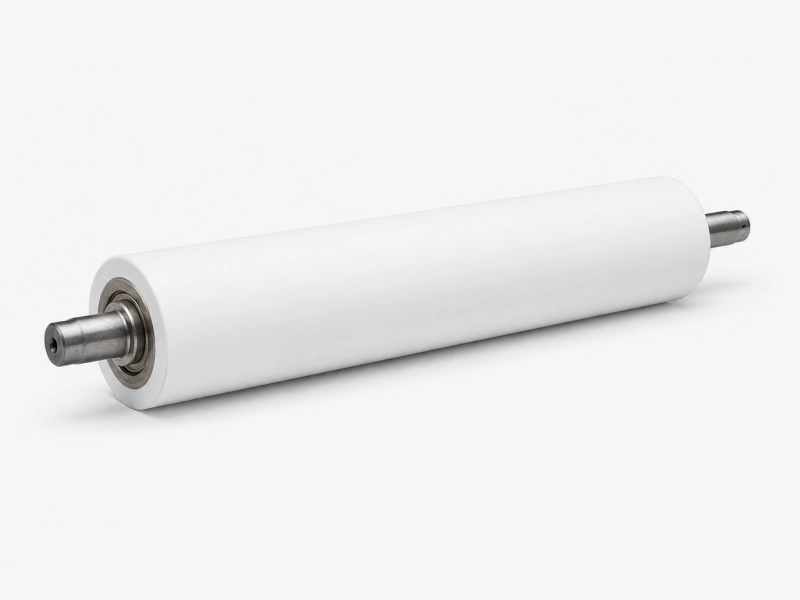
Solid Silicone Rollers
Often used where heat stability, release behavior, soft contact, and surface protection are more important than high traction or heavy wear resistance.
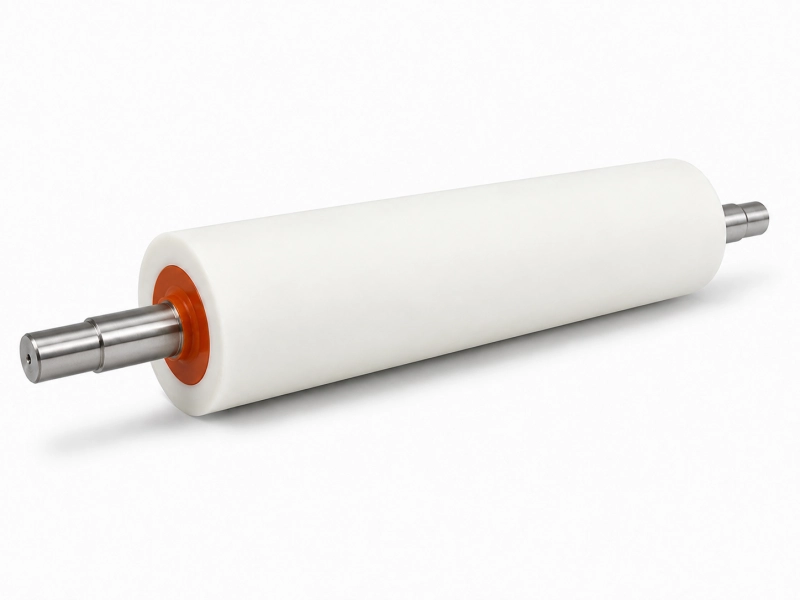
Liquid Silicone Rollers
Better suited for projects that require softer surface contact, along with higher demands on temperature resistance, release performance, and precision.
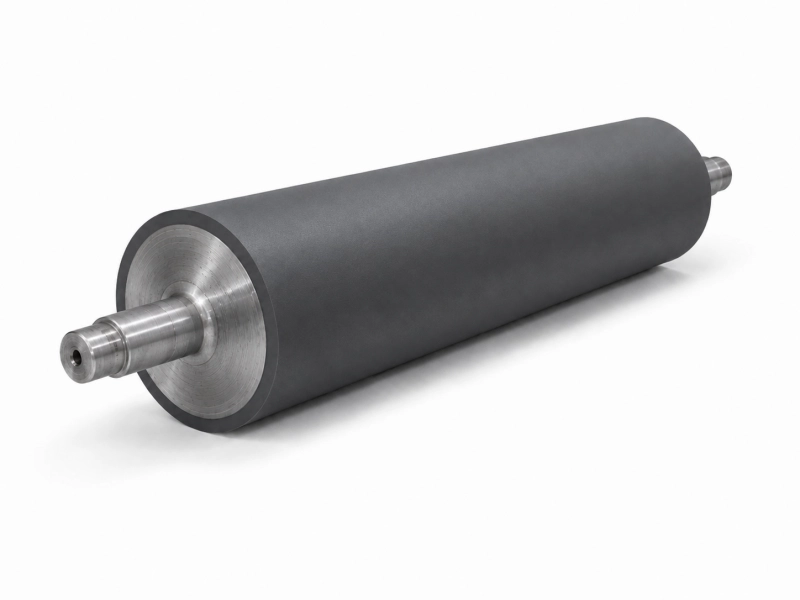
EPDM Rubber Rollers
Often used in industrial contact applications where ozone resistance, weather resistance, and stability in humid environments are more important.
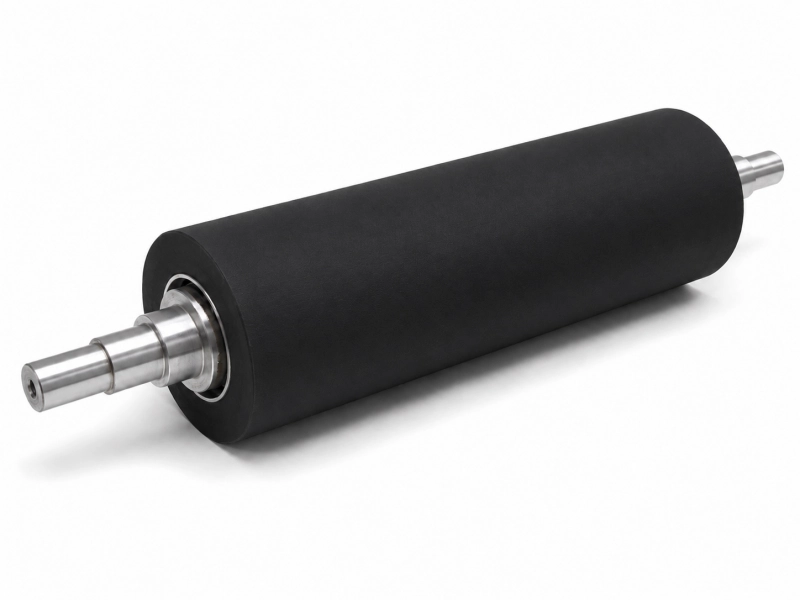
NBR / Nitrile Rubber Rollers
Often considered where oil resistance and more conventional industrial contact environments are part of the material selection process.
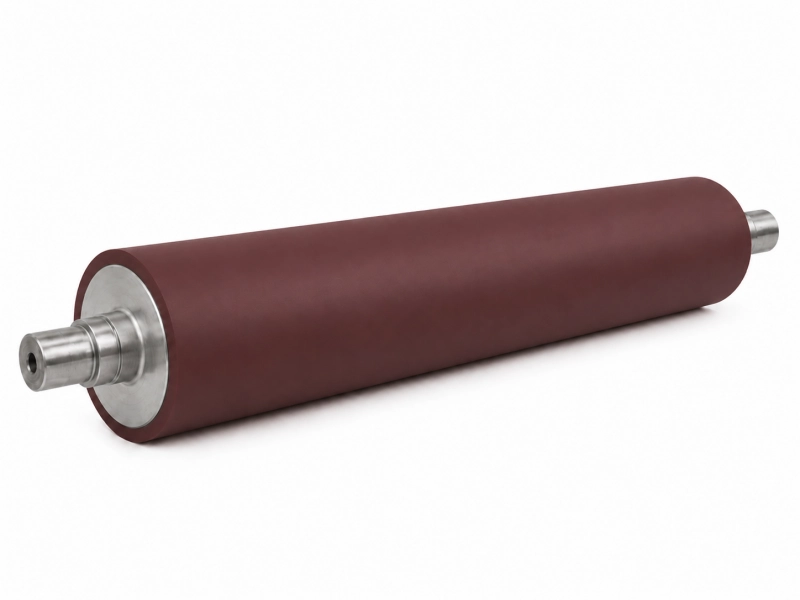
FKM Rubber Rollers
Often used in more demanding industrial conditions involving higher temperatures, oils, solvents, or more complex media exposure.
Additional Rubber Compounds
In addition to the more common material directions above, some projects also involve other industrial rubber compound options.
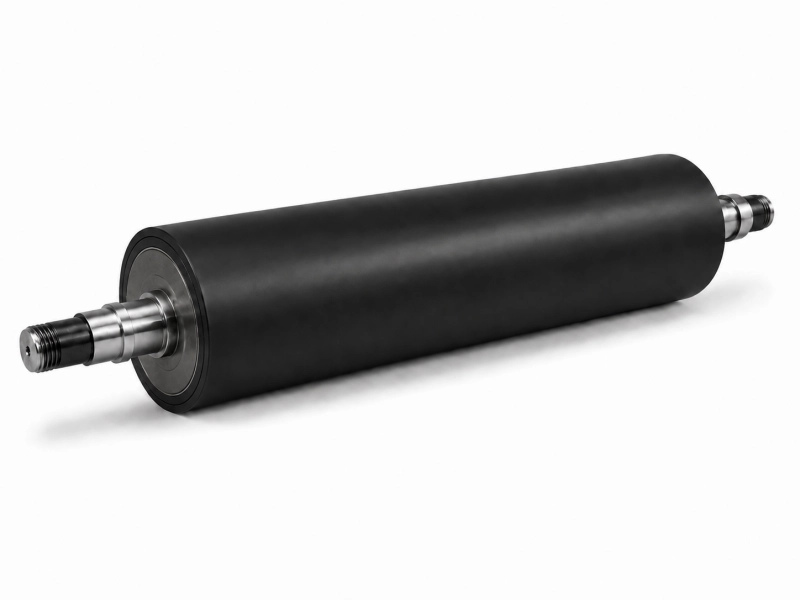
Neoprene / CR Rubber Rollers
A more classic general-purpose industrial rubber route, usually recognized for its relatively balanced overall performance.
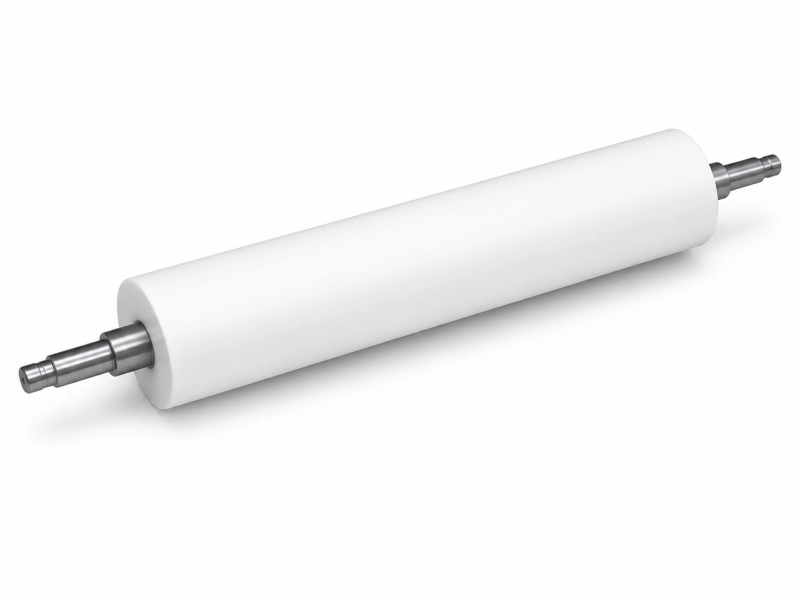
Natural Rubber Rollers
More oriented toward elasticity, resilience, and basic contact performance.
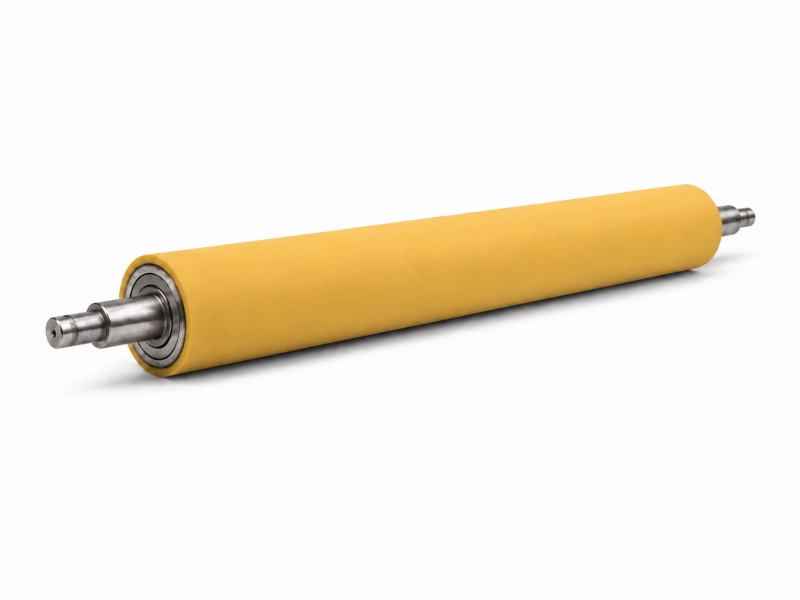
Hypalon / CSM Rubber Rollers
A more specialized industrial rubber route, typically considered where weather resistance, ozone resistance, and long-term environmental exposure are more demanding.
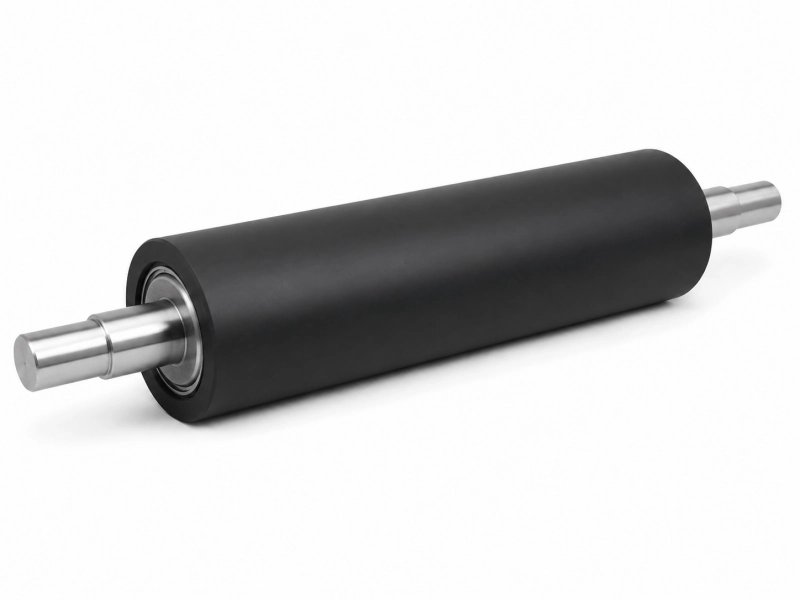
Butyl / IIR Rubber Rollers
More associated with lower permeability, lower moisture transmission, and sealing-related material performance.
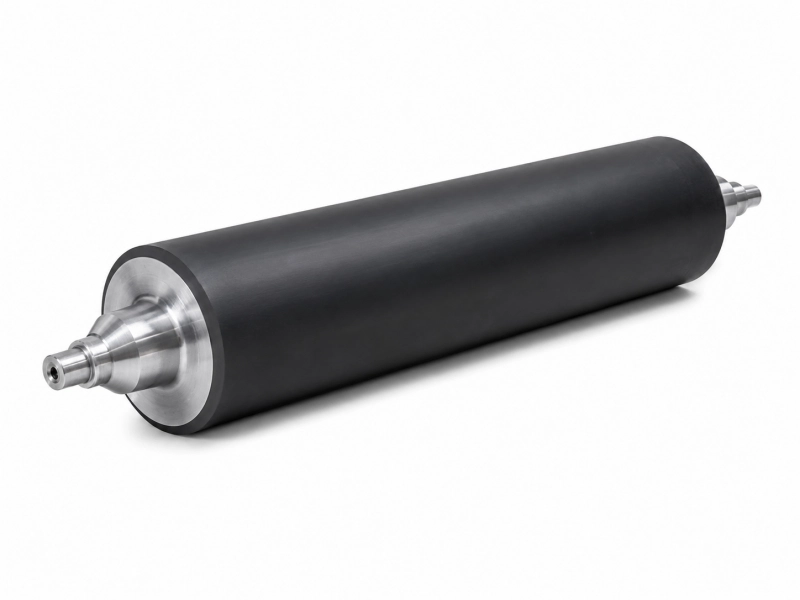
Anti-Static / Conductive Rubber Rollers
Better suited for industrial applications where static control, conductive performance, or surface discharge behavior matters.
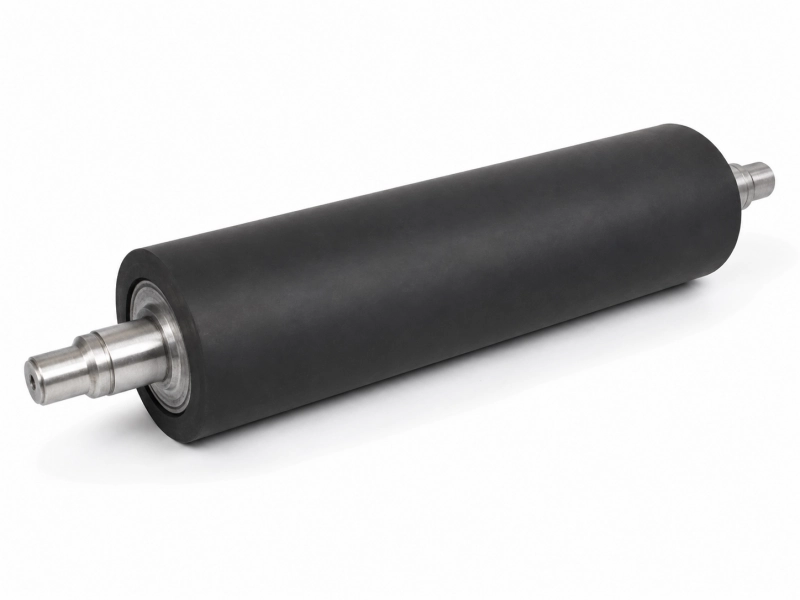
SBR Rubber Rollers
A general-purpose synthetic rubber option, often considered where abrasion resistance, resilience, and basic contact performance are more important than oil, heat, or chemical resistance.
How to Browse This Page
If you already have a general idea of which material you want to review first, you can go directly to the corresponding material detail page.
If your application or roller function is clearer than the material itself at this stage, you can also continue from the application pages or function pages.
RUBBER PROPERTIES OVERVIEW
General Rubber Performance Comparison
Rating scale: 1 = Excellent, 2 = Very Good, 3 = Good, 4 = Fair, 5 = Poor, 6 = Very Poor
| Code | Rubber Type | Oil Resistance |
Heat Resistance |
Fuel Resistance |
Tear Resistance |
Water Resistance |
Wear Resistance |
Ozone Resistance |
Weather Resistance |
Rubber-to-Metal Adhesion |
Min. Service Temp. (°C) |
Max. Service Temp. (°C) |
|---|---|---|---|---|---|---|---|---|---|---|---|---|
| NR | Natural Rubber | 6 | 6 | 2 | 1 | 1 | 5 | 4 | 4 | 2 | -55 | 100 |
| NBR | Nitrile Rubber / NBR | 1 | 3 | 2 | 3 | 1 | 4 | 3 | 3 | 3 | -40 | 120 |
| SBR | Styrene-Butadiene Rubber / SBR | 6 | 6 | 3 | 2 | 3 | 5 | 4 | 4 | 2 | -55 | 100 |
| CR | Chloroprene Rubber / Neoprene | 4 | 4 | 2 | 3 | 3 | 3 | 3 | 3 | 5 | -40 | 120 |
| EPDM | EPDM Rubber | 6 | 6 | 2 | 1 | 3 | 2 | 2 | 1 | 2 | -40 | 150 |
| CSM | Chlorosulfonated Polyethylene Rubber / CSM | 4 | 4 | 2 | 1 | 3 | 2 | 2 | 2 | 5 | -40 | 150 |
| PU | Polyurethane Elastomer / PU | 1 | 3 | 1 | 1 | 1 | 1 | 3 | 3 | 2 | -55 | 100 |
| HNBR | Hydrogenated Nitrile Rubber / HNBR | 1 | 3 | 1 | 3 | 1 | 4 | 2 | 2 | 2 | -30 | 175 |
| SI | Solid Silicone Rubber | 6 | 5 | 4 | 3 | 5 | 5 | 1 | 1 | 1 | -70 | 260 |
| LSR | Liquid Silicone Rubber | 6 | 5 | 5 | 3 | 6 | 5 | 1 | 1 | 1 | -70 | 300 |
| FKM | Fluoroelastomer / FKM | 1 | 1 | 1 | 1 | 3 | 1 | 1 | 2 | 5 | -25 | 250 |
RUBBER PROPERTIES OVERVIEW
Chemical Resistance and Hardness Reference
Rating scale: 1 = Excellent, 2 = Very Good, 3 = Good, 4 = Poor
| Code | Rubber Type | Shore A Hardness Range |
Rebound Elasticity |
Flex-Crack Resistance |
Benzene Resistance |
Alcohol Resistance |
Neutral Solvent Resistance |
Strong Acid Resistance |
Weak Acid Resistance |
Strong Alkali Resistance |
Weak Alkali Resistance |
|---|---|---|---|---|---|---|---|---|---|---|---|
| NR | Natural Rubber | 30-100 | 2 | 1 | 4 | 1 | 3 | 3 | 2 | 2 | 2 |
| NBR | Nitrile Rubber / NBR | 10-100 | 3 | 2 | 4 | 1 | 4 | 3 | 2 | 2 | 2 |
| SBR | Styrene-Butadiene Rubber / SBR | 30-100 | 2 | 2 | 4 | 1 | 3 | 3 | 2 | 2 | 2 |
| CR | Chloroprene Rubber / Neoprene | 30-90 | 4 | 2 | 4 | 1 | 3 | 3 | 2 | 1 | 1 |
| EPDM | EPDM Rubber | 30-90 | 2 | 2 | 3 | 1 | 1 | 2 | 1 | 1 | 1 |
| CSM | Chlorosulfonated Polyethylene Rubber / CSM | 50-90 | 4 | 2 | 4 | 1 | 4 | 2 | 1 | 1 | 1 |
| PU | Polyurethane Elastomer / PU | 40-100 | 4 | 1 | 4 | 3 | 4 | 3 | 2 | 4 | 4 |
| HNBR | Hydrogenated Nitrile Rubber / HNBR | 40-90 | 3 | 2 | 4 | 1 | 4 | 3 | 2 | 2 | 2 |
| SI | Solid Silicone Rubber | 30-90 | 2 | 2 | 4 | 1 | 2 | 3 | 2 | 4 | 4 |
| LSR | Liquid Silicone Rubber | 30-85 | 1 | 2 | 4 | 1 | 2 | 3 | 2 | 4 | 4 |
| FKM | Fluoroelastomer / FKM | 60-90 | 2 | 2 | 1 | 1 | 2 | 1 | 1 | 1 | 1 |
Not Sure Which Material Fits Your Roller?
If you already have a drawing or existing dimensions, you can send them directly to us.
If you are not yet sure which material you should review first, you can also send us your project details directly.
We usually look at the roller position, operating temperature, contact material, surface requirements, current issues, and replacement target first, then suggest the material direction that is more worth reviewing.