Browse by Material
Choose rubber rollers by compound type, including silicone, polyurethane, EPDM, NBR, FKM, neoprene, natural rubber, butyl rubber and other industrial elastomer options.
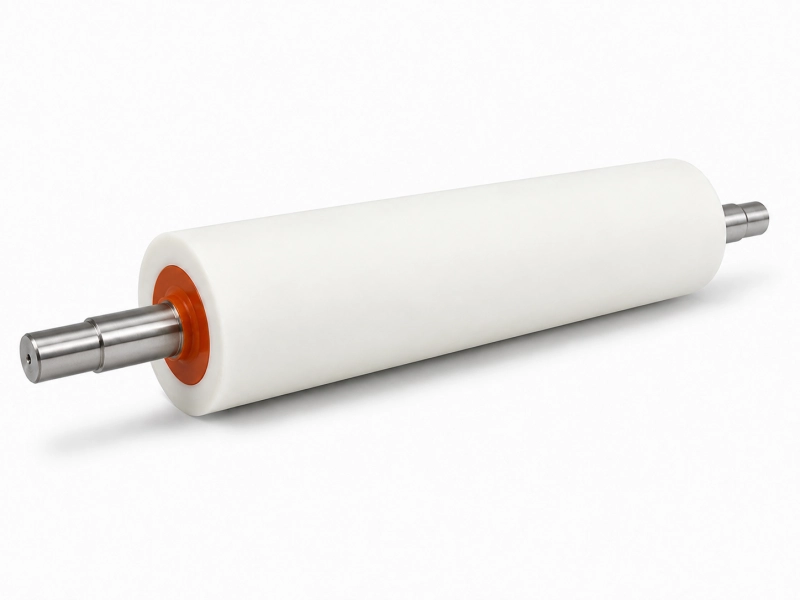
Wolorin manufactures custom rubber-covered rollers for industrial web handling, converting, coating, laminating, printing, packaging, textile, film, paper and other continuous processing lines.
You can browse our roller products by material, by line function, or contact us directly with your drawing, sample, old roller information or operating conditions.
Choose rubber rollers by compound type, including silicone, polyurethane, EPDM, NBR, FKM, neoprene, natural rubber, butyl rubber and other industrial elastomer options.
Choose rollers by their working position on the line, such as traction, nip, drive, transfer, guide, tension control, pressure, coating, laminating, slitting and rewinding rollers.
For soft contact, release performance, temperature stability and surface protection.
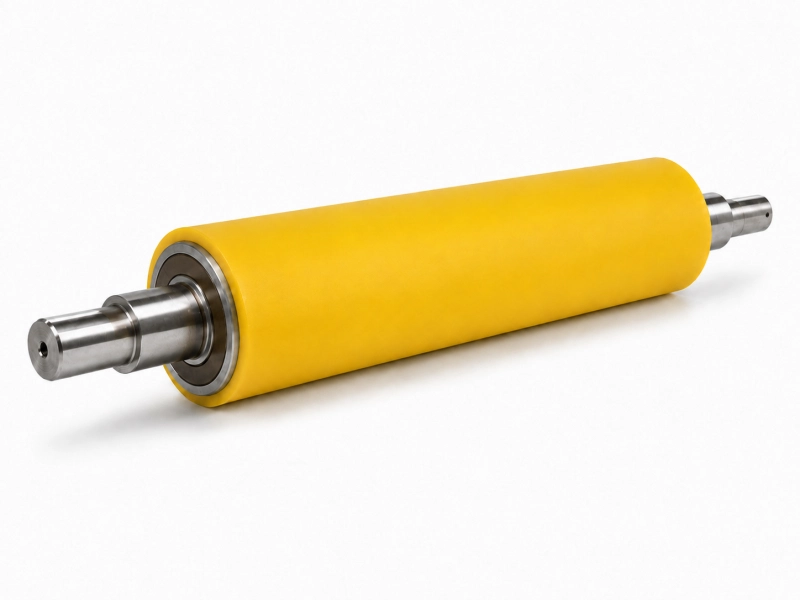
For wear resistance, traction, load support and longer service life.
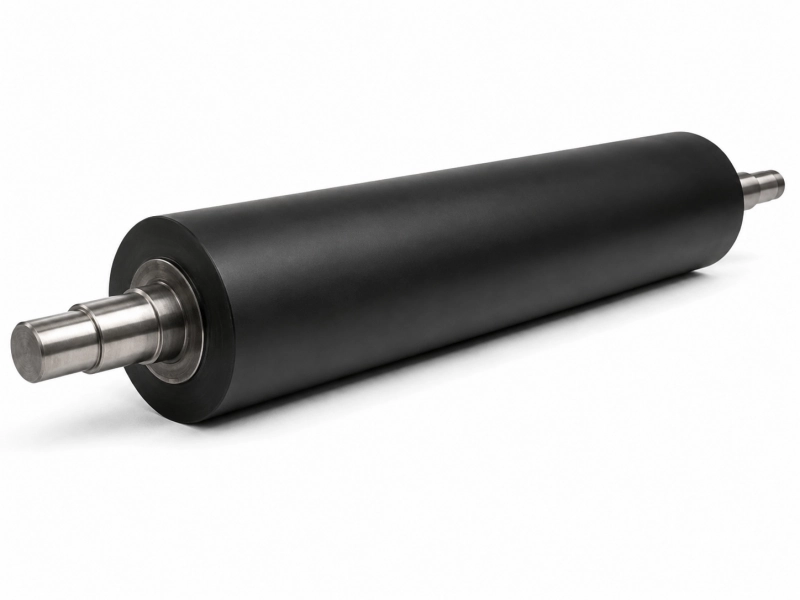
For ozone resistance, weather stability, moisture exposure and outdoor use.
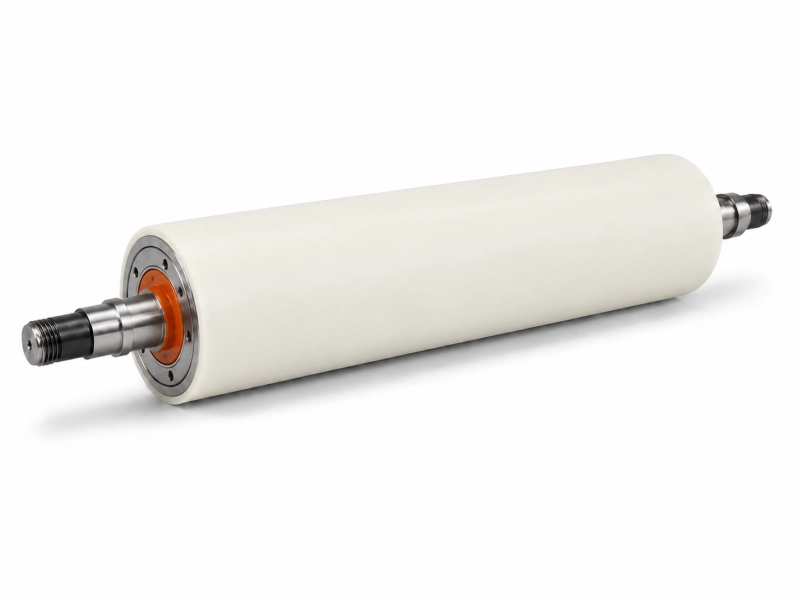
For higher temperature, oil, fuel, solvent and demanding media-contact conditions.
Wolorin supports custom rubber roller projects based on drawings, samples, old roller information, equipment details or actual operating conditions.
Common project starting points include:
Drawing-based manufacturing
Sample or old roller replacement
Existing size or equipment information
Operating-condition-based review
Material, hardness and surface selection
Roller duty and application matching
Not every roller needs a complex custom design. For many mature line positions, a suitable material, hardness and surface direction can already cover the main requirement. For more demanding applications, we can further confirm the roller structure, rubber compound, surface finish and inspection points according to the actual working condition.
Custom rubber rollers can be adjusted according to the roller’s duty on the line.
Common customization directions include:
Rubber compound selection
Cover hardness
Cover thickness
Roller diameter and face length
Shaft and mounting details
Smooth, ground or matte surface
Traction-oriented surface
Release-oriented surface
Grooved or crowned surface
Anti-static or conductive direction
Wear-resistant, oil-resistant, heat-resistant or weather-resistant direction
The final direction should be based on the material being processed, line speed, pressure, temperature, environment, surface requirement and the current problem you want to solve.
If you are not sure which roller type or material is suitable, you can send us your drawing, old roller photos, sample, dimensions, equipment information or current operating problem.
If the information is not complete, you can also start with:
The production line or equipment type
The roller position on the line
The material the roller contacts
Current problems such as slipping, wear, sticking, marking, static, short service life or unstable winding
We can review the available details first and suggest a practical direction for your custom rubber roller project.