
Custom EPDM Rubber Rollers
EPDM rubber rollers, are mainly used in industrial contact applications where ozone resistance, weather resistance, and stability in humid environments are especially important.
EPDM is a material more commonly chosen for environmental stability.
When a roller works for long periods in exposed air, humid conditions, water-contact environments, outdoor conditions, or positions more affected by long-term environmental aging, EPDM rollers are often a suitable material choice.
EPDM rollers are commonly used in applications involving:
- Long-term air exposure or outdoor environments
- Humid conditions, water contact, hot water, or steam-related applications
- Positions where ozone resistance, weather resistance, and long-term aging stability matter more
- Contact with mild acids, mild alkalis, and some polar media
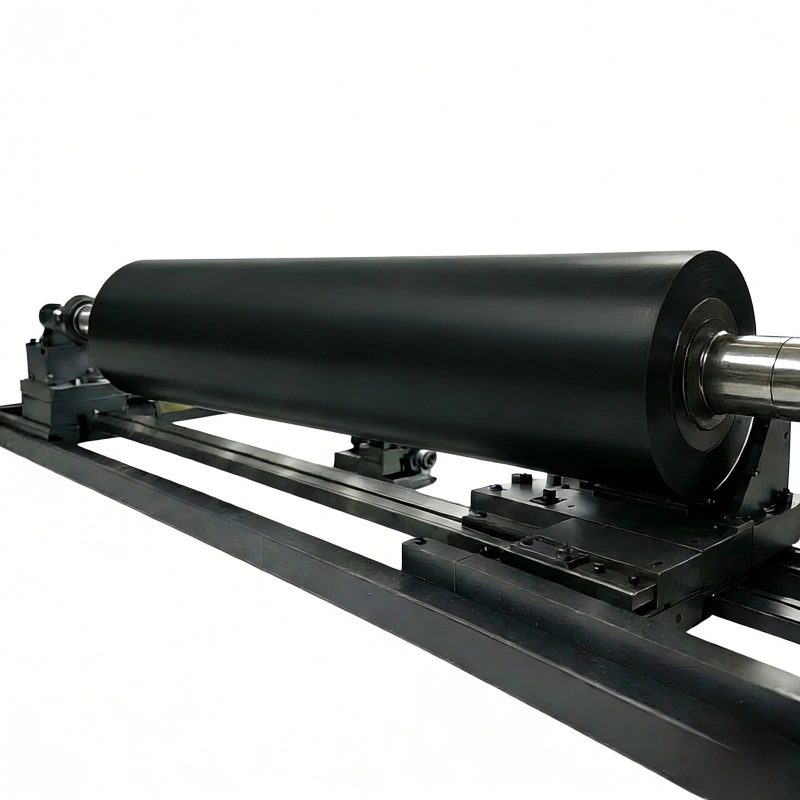
Different projects do not require exactly the same EPDM solution.
In some positions, a standard compound is enough. In others, the project may place more emphasis on media compatibility, service-life stability, surface condition, or long-term running performance. In these cases, modified compounds or special EPDM formulations can also be considered according to the actual operating conditions.
Some rollers may look acceptable at the beginning because they can be installed and run, but the real differences often become clear only after a period of operation.
If you already have drawings, existing roller dimensions, or current parameters, you can send them directly to us.
If the material is not fully confirmed yet, you can also start with the operating conditions.
Where EPDM Rollers Are More Commonly Used
Common considerations for EPDM rubber rollers
EPDM rollers are commonly valued for their more stable long-term performance in certain environmentally demanding conditions.
Higher demand for weather resistance and ozone resistance
When a roller works in positions more affected by air exposure, ozone, moisture, UV, or changing weather conditions, EPDM often offers better long-term suitability than general materials selected only for short-term operation.
Humid, water-contact, or hot water / steam-related environments
For positions involving water, humidity, frequent cleaning, hot water, or steam contact, EPDM is also one of the more common material choices.
Greater focus on long-term stability, not just short-term operation
In some projects, the problem does not appear at the beginning. Instead, it gradually shows up over time as surface aging, elasticity changes, unstable running performance, or shorter replacement cycles.
In these positions, getting the material choice right from the start usually matters more.
Some non-standard conditions can also be further adjusted
If a project has more specific requirements for media, service life, surface condition, or stability, further compound and structural adjustment can be made on the basis of standard EPDM.
These are common starting points, but final material matching can still be adjusted according to the actual application.
Common Material Parameters and Customization Directions
Common EPDM selection range
- Typical continuous operating temperature: about -40°C to +120°C
- Common hardness directions: 50 / 60 / 70 Shore A
- Common media directions: hot water, steam, mild acids, mild alkalis, cleaning environments, and some polar media
- For oils, fuels, grease, or more complex media, further confirmation is usually needed based on the specific media and operating conditions
- For positions with higher requirements for wear resistance, grip, surface condition, or service life, a modified EPDM approach may also be evaluated according to the actual project
These ranges are more suitable for initial material matching.
Once a project moves forward, the review is usually combined with line speed, contact pressure, temperature fluctuation, contact material, roller position, and service-life targets.
Adjustable Technical Options for EPDM Rollers
What can usually be adjusted for an EPDM roller project
EPDM rollers or EPDM rubber-covered rollers can usually be adjusted according to actual operating conditions in the following areas:
- Hardness adjustment
- Cover thickness
- Roller diameter and face length
- Surface finish
- Grooves, crown, or special profiles
- Core and shaft-end structure
- Compound and structural review based on drawings, existing rollers, or operating conditions
When these key conditions match the actual application more closely, long-term use is usually more stable, and it also becomes easier to reduce repeated adjustment, repeated replacement, and extra time cost.
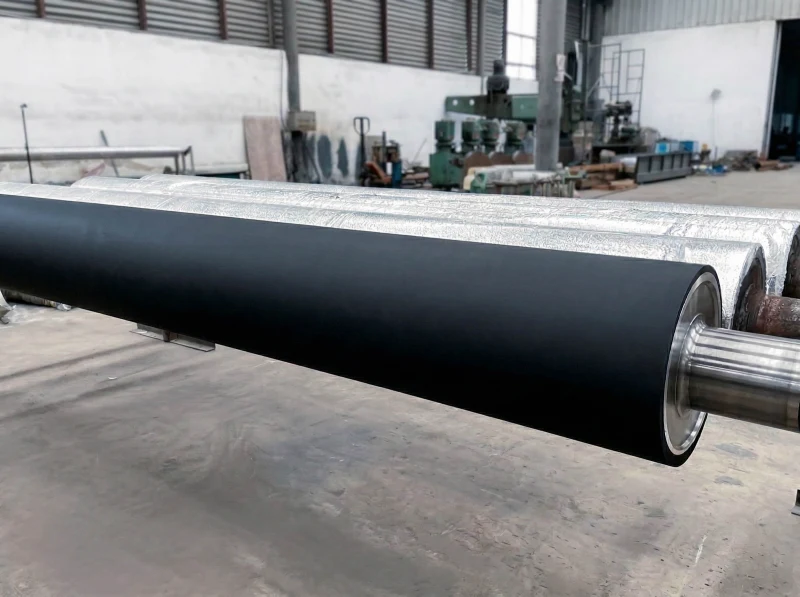
Continue to Related Pages
You can continue by material category, roller function, or application type.
Request a Quote
If you already have drawings, samples, an existing roller, or current parameters, you can send them directly to us for quotation.
If the information is still incomplete, you can also start by providing the roller position, operating temperature, contact media, and the current issue. This is usually enough to begin the initial project review.