Rubber Rollers by Function

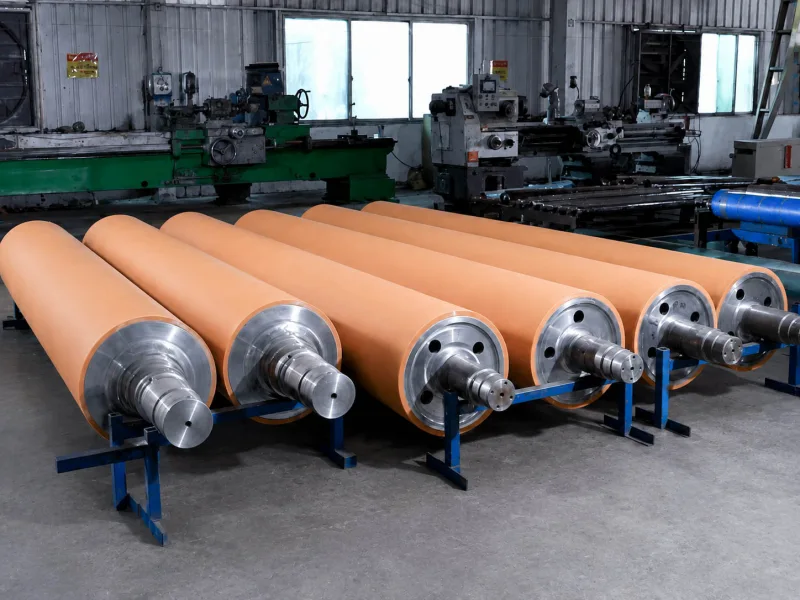
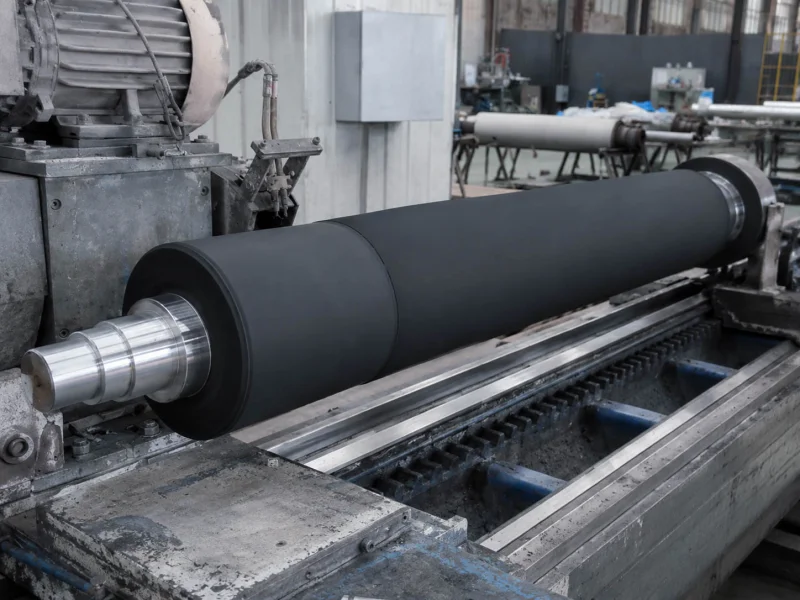
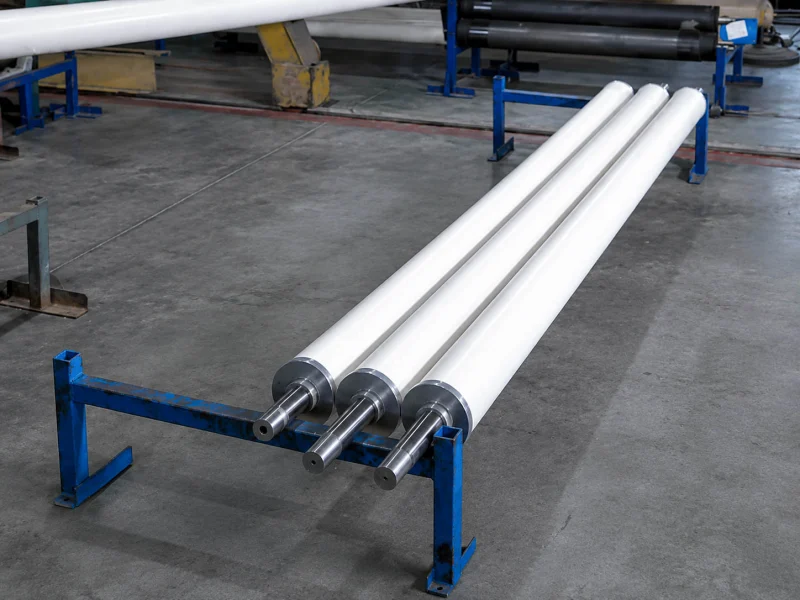
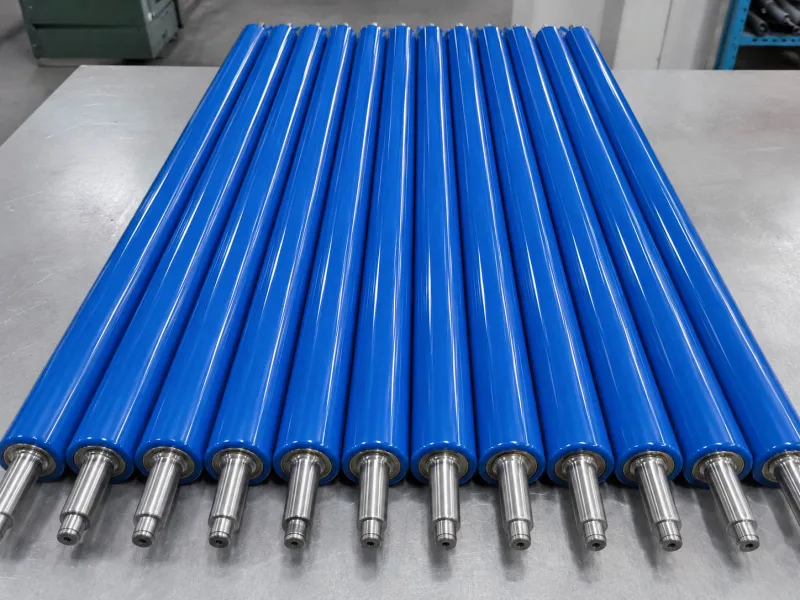
Custom rubber rollers can be selected by the role they perform on the production line, such as guiding, traction, drive contact, pressure contact, spreading, metering, transfer, corona treatment, cleaning, or dewatering.

This page helps you browse roller types by function, so you can start from what the roller does before reviewing material, hardness, surface finish, or operating conditions.

Browse by Roller Function

Select the roller function closest to your line position. Each page explains what the roller does, what it contacts, and which operating conditions may affect the final roller design.

Guide Rollers

For stable web guiding and path control.

Traction Rollers

For gripping and pulling materials through the line.

Drive Rollers

For driven contact positions where friction and torque transfer matter.

Tension Control Rollers

For helping stabilize web tension during continuous running.

Pressure Rollers

For controlled nip pressure and surface contact.

Pinch Rollers

For holding, feeding, or pulling material through a contact point.

Spreader Rollers

For reducing wrinkles and helping spread web materials.

Squeeze & Dewatering Rollers

For squeezing, dewatering, or removing liquid from materials.

Metering Rollers

For controlling coating amount, adhesive flow, or transfer consistency.

Transfer Rollers

For transferring coating, adhesive, ink, material, or contact force.

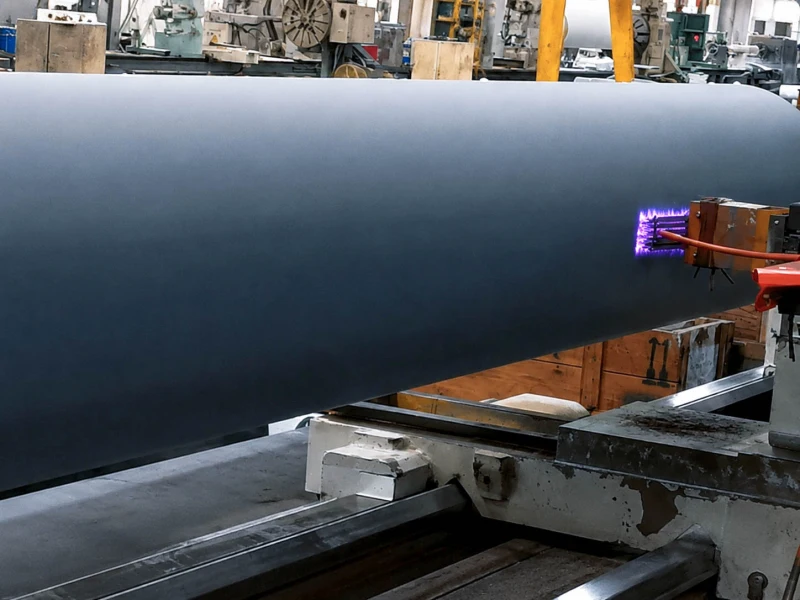
Corona Treatment Rollers

For corona treatment positions in film and web surface processing.

Cleaning & Sticky Rollers

For removing dust, particles, or surface contamination from materials.

Not Sure Which Roller Function Fits Your Line?

Different production lines may use different names for similar roller positions. If your roller function is not listed clearly, you can still send us the drawing, sample, roller position, or current problem. We can review it based on how the roller works in your line.

How to Choose the Right Roller by Function

A roller should first be understood by its job on the line. Before selecting rubber material or surface finish, it is usually more useful to confirm whether the roller is mainly used for guiding, traction, drive contact, pressure contact, spreading, squeezing, metering, transfer, corona treatment, cleaning, or tension control.

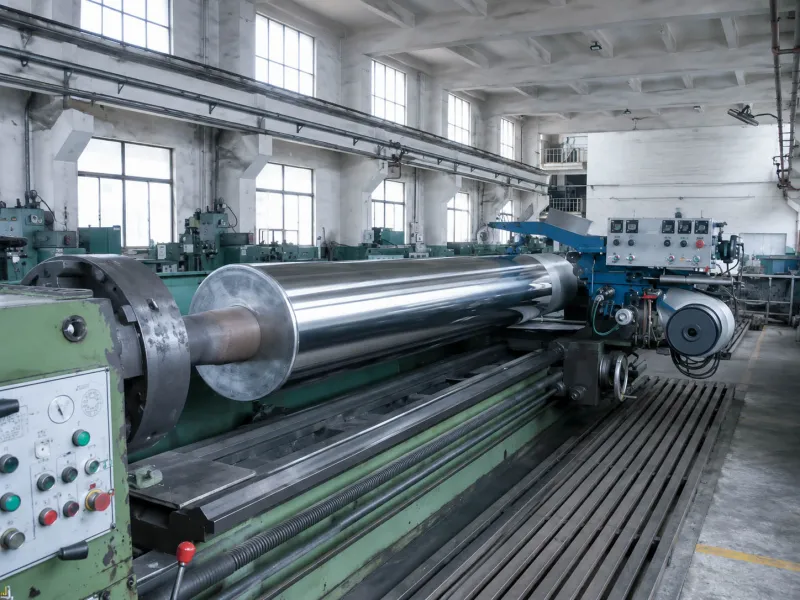
Once the function is clear, the next step is to review material contact, line speed, temperature, pressure, surface requirement, shaft details, and replacement dimensions.
What May Vary from One Roller Function to Another

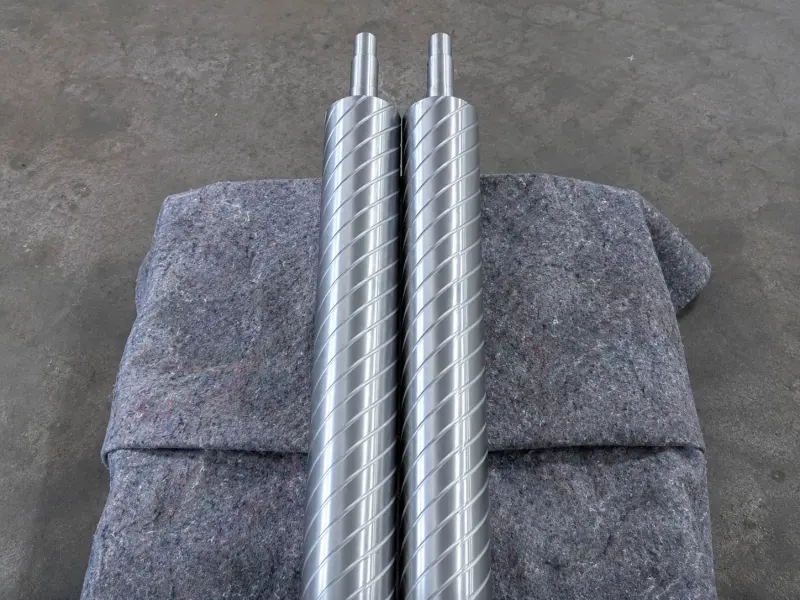
Different roller functions may require different rubber compounds, hardness ranges, cover thickness, surface finish, crown profile, groove design, shaft structure, and dimensional checks. Two rollers may look similar from the outside, but the correct build can be different if their duties on the line are different.

Looking for the Right Roller Function for Your Line?

Send us your drawing, sample, existing roller size, line position, or current running issue. We can help confirm a suitable custom roller direction based on the actual function of the roller.