Film Processing Rollers
Custom Rollers for Film Production, Converting, Slitting, and Winding Lines
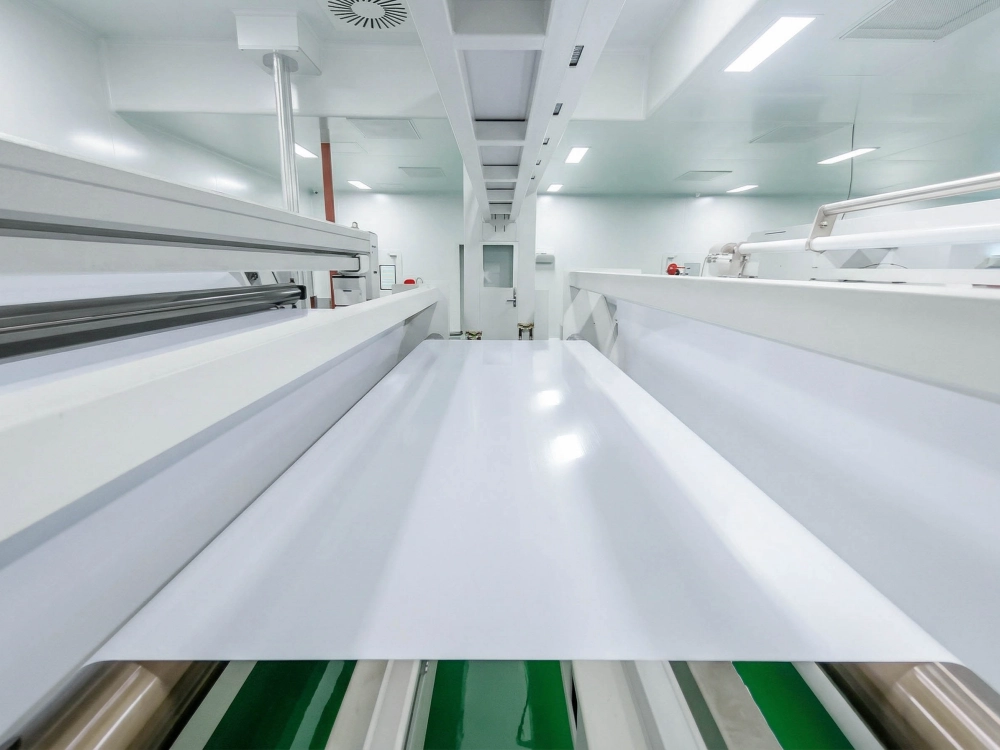
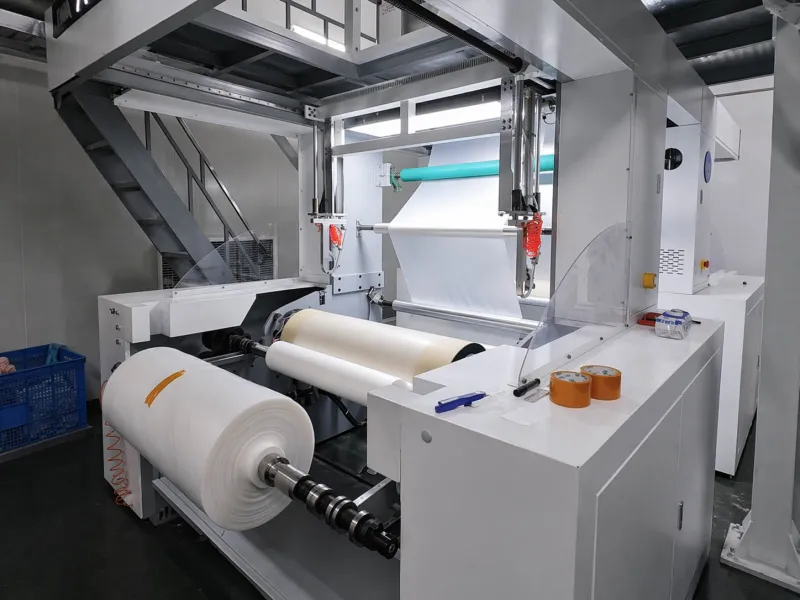
Film processing lines rely on multiple roller positions to maintain web stability, surface quality, tension control, traction, pressure consistency, and winding performance.
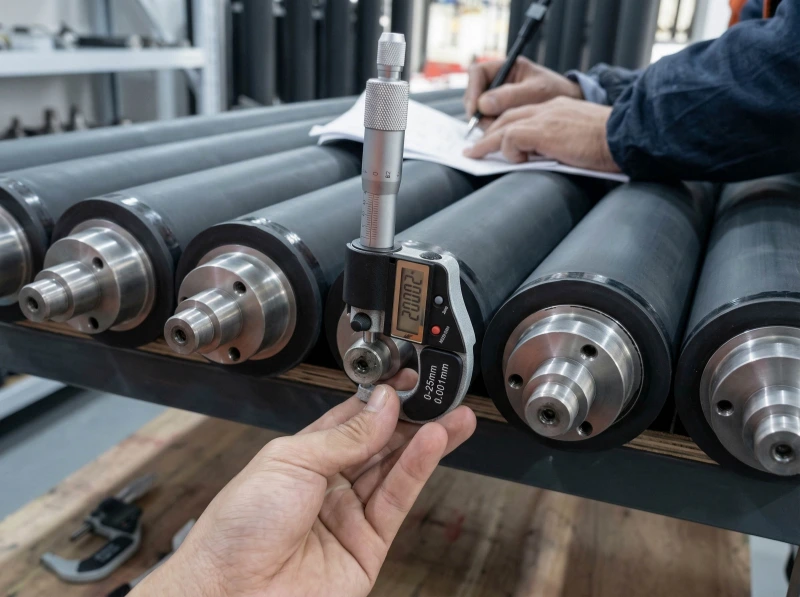
At Wolorin, we manufacture custom rubber rollers and related industrial rollers for film processing applications based on your drawing, sample, existing dimensions, or operating requirements.
Typical film processing roller solutions may include guide rollers, pull rollers, nip rollers, pressure rollers, laminating rollers, support rollers, and winding-related rollers depending on your line layout and process stage.
- Custom roller manufacturing for film production and converting lines
- Matched roller structures and cover materials for different process positions
- Available for replacement rollers or new equipment projects
- Dimensions, hardness, surface finish, shaft ends, and compound options available
- Support for applications involving tension control, pressure contact, traction, release, and long service stability
Why Film Processing Rollers Matter in Production Lines
Film processing is not a single roller application. A typical film line may include unwinding, guiding, traction, tension control, pressing, laminating, slitting, rewinding, and other handling stages. Different roller positions work under different load, speed, contact, surface, and environmental conditions.
For this reason, film processing lines usually require more than one roller type and more than one material direction. Some positions focus on guiding and smooth web transport. Others require traction, pressure transfer, release performance, dimensional stability, chemical resistance, or long-term wear resistance.
A suitable film processing roller solution is usually determined by the specific position in the line, film type, line speed, temperature range, contact media, surface sensitivity, and the consistency requirements of the final product.
Typical Roller Positions in Film Processing Lines
Film processing lines may use different roller configurations depending on the product and process. Common roller positions include:
Guide Rollers
Guide rollers help maintain web path stability and smooth film travel through the line. In these positions, surface consistency, rotational smoothness, dimensional accuracy, and low runout are important.
Pull Rollers / Draw Rollers
Pull rollers are used where film traction and controlled web movement are required. These positions may require suitable friction, stable surface condition, and reliable performance under continuous running.
Nip Rollers
Nip rollers are commonly used where the film passes through a controlled contact zone. Depending on the process, the roller may need to provide pressure consistency, stable contact, or support for traction and web control.
Pressure Rollers
Pressure rollers are often used in laminating, contacting, pressing, or transfer-related positions where uniform pressure distribution is important to final product quality.
Laminating Rollers
Laminating rollers are used where two or more layers are brought into controlled contact. In these applications, pressure uniformity, temperature behavior, release performance, and surface stability may all matter.
Slitting and Rewinding Related Rollers
In slitting and rewinding sections, rollers may support film transport, tension control, winding quality, and edge stability. Improper roller condition in these positions can affect roll formation and finished product consistency.
Support or Idle Rollers
Support rollers may appear across different sections of the line to maintain web path, spacing, and running stability. Even where the roller is not the main driven position, surface quality and rotational accuracy still matter.
Common Process Demands in Film Processing Applications
Film processing lines often place combined demands on roller design and material selection. Common factors to consider include:
Stable web handling across different line speeds
Suitable traction without damaging film surfaces
Consistent pressure in contact or laminating zones
Reliable running accuracy and controlled runout
Surface quality for sensitive or thin films
Resistance to wear in continuous production conditions
Compatibility with heat, humidity, oils, coatings, solvents, or process media depending on the line
Suitable release behavior where sticking or transfer is a concern
Stable long-term performance under repeated production cycles
The required roller configuration may vary significantly depending on whether the line is focused on casting, stretching, coating, laminating, slitting, rewinding, packaging film converting, or other related processes.
Common Problems in Film Processing Roller Applications
Film processing lines may experience quality or running issues when roller design, material, surface condition, or operating match is not suitable. Common problems may include:
Film wrinkling during transport or winding
Tracking deviation or unstable web path
Uneven traction or slippage in driven positions
Surface marking or impression on sensitive films
Poor pressure consistency in laminating or contact zones
Sticking, transfer, or release-related issues
Premature roller cover wear
Surface contamination affecting product quality
Instability at higher line speeds
Winding defects caused by poor support or tension-related roller behavior
In many cases, the issue is not caused by one factor alone. Roller hardness, surface finish, compound direction, crown or profile, shaft structure, line speed, contact load, and the film itself may all affect final performance.
Recommended Roller Types and Material Directions for Film Processing
The best roller solution in film processing depends on the exact process position. Typical directions may include:
Common Roller Types
Guide rollers
Pull rollers
Draw rollers
Nip rollers
Pressure rollers
Laminating rollers
Support rollers
Winding-related rollers
Common Material Directions
Polyurethane (PU)
Often considered where wear resistance, traction, and longer service life are important.
Silicone
Commonly considered where release performance, temperature stability, or non-stick behavior matters.
EPDM
May be considered in applications involving humidity, water-related exposure, ozone, or long-term environmental stability.
FKM
May be considered where higher temperature, oil, fuel, or more aggressive media exposure is involved.
NBR or other compounds
May be used depending on traction, oil contact, cost balance, and general process conditions.
Material selection in film processing should be based on the actual roller position, operating conditions, and product requirements rather than material name alone.
Custom Options for Film Processing Rollers
Film processing rollers can be customized according to line layout, film characteristics, roller position, and production requirements. Typical customization options may include:
Roller diameter and face length
Rubber cover thickness
Hardness range based on contact and pressure needs
Surface finish and texture
Groove, crown, or custom roller profile
Shaft ends, journals, and mounting structure
Core material selection
Dynamic balance depending on line speed and roller size
Compound direction based on traction, release, wear, temperature, or media exposure
Replacement roller manufacturing based on drawings, samples, or existing dimensions
If your project involves thin film handling, pressure-sensitive products, release-related processing, or higher-speed converting, the roller surface and running condition often require closer review during specification.
Why Work With Wolorin for Film Processing Roller Projects
We focus on custom industrial rollers for demanding applications where roller position, operating conditions, and product consistency all matter.
For film processing projects, we can support custom manufacturing based on your existing roller drawing, sample, dimensions, or known operating requirements. Where necessary, we can also help review the practical direction of material and roller structure based on the application.
Our focus is on supplying rollers that match the production position, not simply offering one material or one roller type for every part of the line.
Explore Related Pages
By Function
- Pressure Rollers
- Pull Rollers
- Guide Rollers
- Laminating Rollers
- Nip Rollers
- Winding Rollers
By Related Applications
- Slitting and Rewinding Line Rollers
- Coating and Laminating Line Rollers
- Flexible Packaging Rollers
- Web Handling Rollers
By Material
- Polyurethane Rubber Rollers
- Silicone Rubber Rollers
- EPDM Rubber Rollers
- FKM Rubber Rollers
Request a Quote for Film Processing Rollers
Need custom rollers for your film line?
Send us your drawing, roller dimensions, application position, film type, line speed, and any known operating conditions. We can help you confirm a practical roller direction for replacement or new project use.