ガラス洗浄機コンベアロール:ゴムカバーの選び方
Glass washer conveyor rollers work under different conditions in the washing, drying, and offload sections. Wet-section rolls need enough grip to move glass through water and cleaning solution. Rolls farther downstream contact freshly rinsed or cleaned glass, where surface contamination and cover damage become more critical.
Before ordering a replacement, identify the exact rubber-covered roll and its position in the washer.
If the original roll worked well and the glass type, cleaning medium, and contact conditions remain unchanged, its confirmed specification is a practical basis for replacement. A new glass coating, a change in cleaning chemicals, or recurring cover damage may require changes to the original specification.
Start with the Original Roll and Its Position
A glass washer may have lower conveyor rolls and upper rolls that help feed or hold the glass. Their construction varies by machine.
Identify the part that needs replacing, confirm that it has a rubber cover, and establish whether the order is for a complete roller or a new cover on the existing core.
For a rubber-covered conveyor roll, the job is to move glass steadily with sufficient grip. Wolorin’s 牽引ローラー page covers this general function, while the original washer determines the replacement construction.
The roll’s position gives the first indication of what the cover needs to handle.
Rubber Cover Requirements by Washer Section
| Washer Section | What the Cover Needs to Handle | Useful Replacement Information |
|---|---|---|
| Wet washing | Wet glass, cleaning solution, and sufficient feeding grip. | Existing cleaning medium and old cover condition. |
| Drying | Contact with freshly rinsed glass. Surface cleanliness and damage matter. | Glass contact side, cuts, and embedded debris. |
| Offload | Steady transfer of cleaned glass without introducing contamination. | Original roll construction and surface condition. |
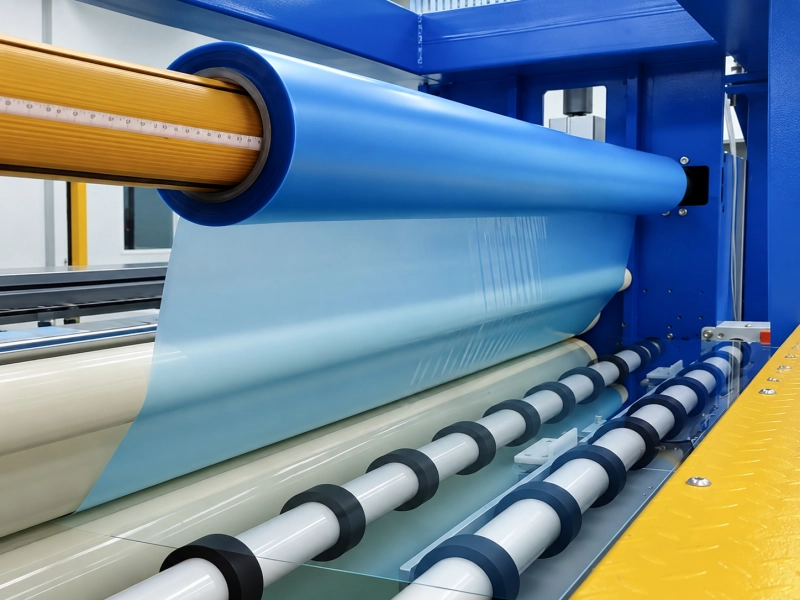
An installed-roll photograph helps identify the component and its position. Manufacturing dimensions should come from the original drawing, confirmed specification, or suitable measurements of the existing roll.
Coated Glass Needs a Closer Look at the Contact Surface
When the washer starts processing a different glass product, find out which surface actually touches the rubber.
Take a horizontal washer carrying glass with its coating facing upward. The lower conveyor roll contacts the uncoated underside. An upper rubber-covered roll touching the coating has a different surface requirement.
If the glass orientation changes and the coating now faces the lower conveyor, check the coating supplier’s handling instructions before confirming the replacement cover. The permitted contact arrangement varies with the glass product.
A roller that has worked successfully with ordinary glass may still be suitable for a new product if the actual contact conditions remain acceptable. Direct contact with a sensitive coating requires closer attention to the cover material, surface finish, and cleanliness.
Hard Particles Need a Separate Check
A smooth-looking rubber cover can contain embedded glass chips or other hard particles.
For example, a small fragment caught in a cut on the cover may remain in the glass path as the roller turns. Replacing the cover removes the damaged surface, but the same problem can return if glass debris continues to enter that position.
Inspect the working area of the old roll for embedded fragments, cuts, and deposits. Pay particular attention to damage concentrated where the glass normally passes.
If debris reaches the roll with the incoming glass, that contamination needs separate attention. Selecting softer rubber will not eliminate hard particles.
For sensitive coated glass, confirm the permitted contact surface and required cover finish. A material name or hardness value alone provides too little information for this decision.
Why Grip Changes in the Wet-Wash Section
A conveyor roll may feed glass normally under dry conditions but lose grip when water and cleaning solution reach the contact area.
If slipping begins after a detergent change, compare the current cleaning medium with the one used when the old roll performed well. Concentration changes and residue on the rubber surface are also worth checking.
Watch what happens at the contact point.
If the rubber-covered roll turns but the glass hesitates, look at the wet contact and cover condition. A worn, glazed, or contaminated surface may have lost its previous grip.
If the roll itself is not turning as intended, the drive or mechanical arrangement needs to be checked by the equipment team. Changing the rubber cover will not correct that fault.
The old cover provides another useful clue. If feeding is unstable only when wet and the rubber remains intact, begin with the cleaning conditions and surface contamination. If the cover has swollen, softened, or become sticky, chemical compatibility needs closer attention.
A compound described as alkali-resistant is not automatically suitable for the washer. The actual cleaner, working concentration, temperature, and exposure conditions provide the basis for material confirmation.
The cleaner must also be compatible with the glass coating and washer components. Cleaning chemical compatibility should cover the glass, coatings, and rubber components involved.
For an unchanged washing process with a successful service history, the existing compound specification remains a useful reference. Repeated deterioration after a chemical change calls for a more specific compound review before replacement.
What the Old Roll Can Tell You Before Replacement
The removed roll can show whether the original cover specification is still suitable.
Flat spots are particularly relevant on washers with upper and lower contact rolls.
On certain machines, the upper pinch rolls are designed to touch the lower conveyor rolls lightly. If excessive weight rests on the lower rubber covering, flat spots can develop.
If the old lower roll has flat spots, confirm the upper and lower roll arrangement against the machine’s original requirements. Making an identical new cover while leaving the excessive load unchanged can lead to the same damage.
Where an upper rubber-covered roll also needs replacement, its contact requirements can be reviewed alongside Wolorin’s 加圧ローラー information. The actual arrangement must follow the washer manufacturer’s specification.
Other damage calls for a different replacement decision. Localized cuts or gouges warrant a check for hard debris or repeated contact with glass edges. Swelling or softening points toward the need to review the cover against its cleaning environment.
If the cover is damaged but its material and working conditions remain suitable, replacement based on the original specification may be enough. Repeated failure calls for changes directed at the condition that caused it. The existing roll provides the evidence for deciding which details need further review.
Getting the Replacement Dimensions Right
Once the cover requirements are clear, the replacement must match the washer’s mounting arrangement.
For a complete rubber-covered roll, the main dimensions include outside diameter, rubber face length, overall length, shaft journals, bearing seats, and drive-end details.
Use the original drawing or confirmed equipment specification when available. A worn cover may have lost thickness, while a flat spot can make diameter measurements inconsistent. These conditions should be taken into account when measuring an old roll.
Keep the original cover material, hardness, thickness, and surface finish in the replacement specification where known. If an existing core will be reused, its condition and the required covering work need separate confirmation.
For normal replacement, drawings and clear specifications can go directly into quotation and manufacturing confirmation. Where the original cover has failed repeatedly or the operating conditions have changed, the affected rubber specification should be reviewed before production.
関連ページ
Rubber roller grip and steady feeding requirements.
Rubber cover requirements for controlled contact between rollers.
Material information for projects replacing an existing PU-covered roll.
図面または確認済みの寸法、ローラーの位置、カバーの仕様をお送りいただければ、交換用のお見積もりを作成いたします。詳細が不足している場合は、古いローラーの写真、ガラス接触面、洗浄剤、シャフト端の寸法、および現在発生しているローラー関連の問題点をお知らせください。.