
Custom Coating Rollers
Coating rollers are designed to transfer, apply, or support controlled coating layers in industrial processing lines. They are widely used in film converting, paper processing, printing, packaging, textile, battery, adhesive, and other coating-related applications where coating consistency and surface quality are important.
A properly designed coating roller helps improve transfer uniformity, support stable coating thickness, reduce defects, and maintain smoother line performance under actual production conditions. Custom sizes, materials, surface finishes, and structural configurations can be arranged according to different coating methods and line requirements.
- Designed for coating transfer, application control, and stable surface contact
- Suitable for film, paper, foil, textile, adhesive, and other industrial coating applications
- Available in custom sizes, hardness options, surface finishes, and roller structures
- Built for consistent coating performance, dimensional stability, and long-term industrial use
Need custom coating rollers for your line? Send us your dimensions, drawing, sample, or application details for quotation.
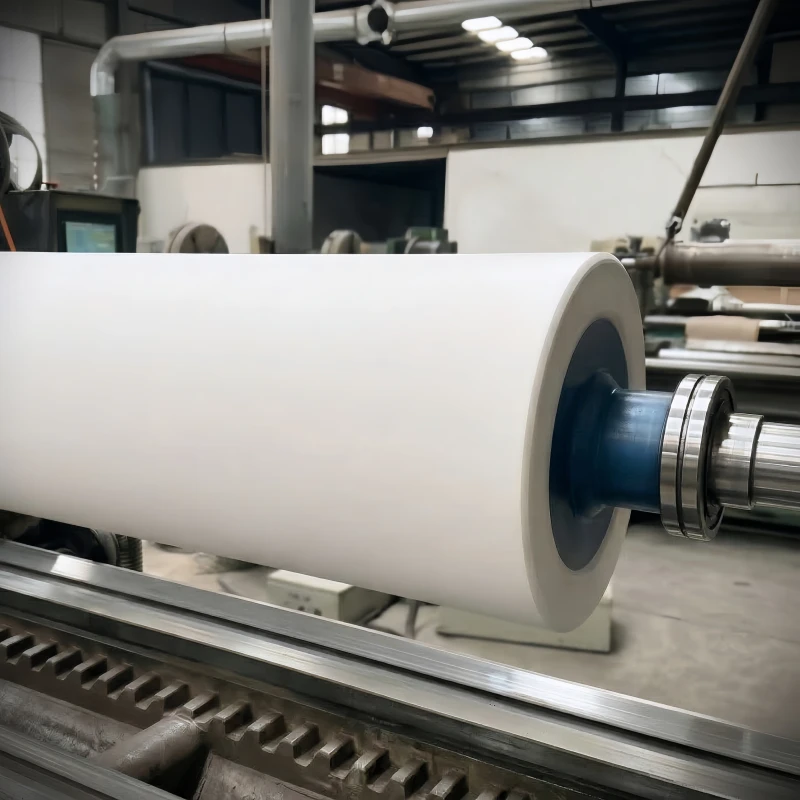
How Coating Rollers Work in Production Lines
A coating roller transfers or supports the application of liquid, adhesive, slurry, or other coating media onto a substrate. Its main function is to help control how coating material is picked up, carried, transferred, or distributed during the process.
Depending on the coating method, a coating roller may work together with a backing roller, metering component, engraved roller, doctor blade, or another process roller. In real production lines, its surface condition, hardness, dimensional accuracy, and running stability all affect coating consistency and final product quality.
Because of this, coating roller selection should always be based on the actual coating process, media behavior, substrate condition, and required coating result rather than on product name alone.
Typical Coating Roller Positions
Coating rollers can appear in different sections depending on coating method, machine layout, and process design. Common positions include:
Application rollers: where coating media is directly applied onto the substrate
Transfer rollers: where coating material is carried and transferred between rollers or onto the web
Backing or support positions: where stable contact is needed during the coating process
Adhesive coating sections: where glue or adhesive must be applied with controlled thickness
Special process stations: where slurry, chemical coating, or functional layers are applied in industrial lines
The same coating roller term may cover different roles, but the correct structure should always match the actual process position and coating function.
Operating Conditions for Coating Rollers
Even when different applications use the same coating roller term, their actual working conditions can vary significantly. Roller selection should therefore begin with the real coating environment and process requirements.
Key operating inputs commonly include:
Substrate type, such as film, paper, foil, textile, nonwoven, metal strip, or other industrial material
Coating media type, such as adhesive, resin, slurry, ink, chemical coating, or functional liquid
Coating viscosity, flow behavior, and sensitivity to temperature or contamination
Line speed and coating width
Required coating thickness, transfer consistency, or surface finish result
Operating temperature and environmental condition
Contact method, such as direct coating, transfer coating, or supported coating contact
Surface sensitivity, including scratching, marking, contamination, sticking, or uneven transfer risk
These conditions are often the starting point for selecting the right roller structure, hardness, finish, and material direction.
Design Considerations for Coating Rollers
Once the operating conditions are clear, the roller structure should be matched to the actual coating function. In many coating applications, performance depends on the correct combination of hardness, surface finish, dimensional control, running stability, and structural configuration.
Hardness and coating response: The hardness should match the coating method, media behavior, and substrate condition
Surface finish: selected according to transfer behavior, release characteristics, media wetting, and contamination sensitivity
Dimensional control: good concentricity and stability are important for uniform coating and smooth running
Cover thickness and build: chosen according to pressure response, transfer effect, and durability requirements
Core and shaft structure: important for stiffness, alignment, and stable performance over long production runs
In many coating lines, coating consistency depends as much on roller structure and running stability as on the coating media itself.
Common Problems in Coating Applications
Many coating defects that appear to be caused by media formulation or process setup can also be influenced by coating roller condition, surface finish, or structural mismatch.
Uneven coating transfer: often linked to poor surface condition, dimensional instability, or unsuitable hardness
Streaks, lines, or marks: may be caused by contamination, surface damage, poor finish, or unstable running
Coating thickness variation: often influenced by transfer inconsistency, structural mismatch, or unstable contact
Media build-up or sticking: may be related to unsuitable surface behavior, contamination, or process conditions
Premature cover wear: may indicate chemical exposure, abrasive media, contamination, or a compound not suited to the application
Understanding the actual coating method and contact behavior is often the fastest way to improve roller selection and coating quality.
Custom Coating Roller Manufacturing
We manufacture custom coating rollers for a wide range of industrial coating applications. Production can be arranged according to confirmed specifications, customer drawings, existing roller dimensions, samples, or actual application requirements.
Typical custom manufacturing capability can include roller diameters up to 1,500 mm, face lengths up to 12,000 mm, cover hardness typically from 20 to 95 Shore A depending on compound and application, and cover thickness commonly from 3 to 30 mm, with thicker custom builds available for specific project requirements.
Available material directions commonly include silicone, polyurethane, EPDM, NBR, FKM, and other industrial rubber compounds. Surface finish, shaft structure, and roller build can be customized according to production requirements, replacement needs, or actual coating conditions.
Whether the project is for a new line, a replacement roller, or an existing application upgrade, the roller structure should match the actual coating function and media behavior of the station.
How to Select the Right Coating Roller
To select the right coating roller, it is usually useful to confirm a few practical production details first.
What substrate is being coated
What coating media is being used
What the coating roller is expected to do in the station
What line speed, coating width, and thickness target are involved
Whether release, transfer consistency, or substrate protection is more important
What operating temperature and environmental condition are involved
What contact method or counterpart component is used
What problems are occurring on the current roller
These details usually lead to better coating roller selection than choosing only by a general product label.
Common Material Directions for Coating Rollers
Material choice for coating rollers depends on media behavior, transfer performance, chemical exposure, wear demand, and required surface characteristics.
Silicone rubber: often used where release behavior or temperature resistance is important
Polyurethane: often used where wear resistance and stronger surface durability are required
EPDM: suitable for certain chemical or general industrial environments
NBR: suitable for some oil-related or media-contact conditions
FKM: used in more demanding heat and chemical exposure applications
The final material should always match the actual coating media, process condition, and surface requirement.
Typical Applications of Coating Rollers
Coating rollers are commonly used in industrial lines where liquid, adhesive, slurry, or other media must be transferred or applied in a controlled way.
Film and paper coating lines
Adhesive coating applications
Printing and converting processes
Battery and functional coating lines
Textile and nonwoven coating applications
General industrial transfer and surface treatment processes
Depending on the machine design, a coating roller may also work together with transfer rollers, backing rollers, pressure rollers, or metering components within the same section.
Surface, Profile, and Shaft Configuration Options
In coating applications, roller performance often depends on more than basic roller size alone. Surface behavior, shaft structure, and overall construction all need to match the actual coating process.
Surface finish options for transfer behavior, release, wetting, or contamination control
Shaft and journal configurations based on installation and support method
Cover build selected according to media behavior, transfer effect, and durability requirements
Core structure adjusted for stiffness, alignment, and running stability
Surface and structure adjusted for sensitive coatings or demanding process conditions
Configuration matched to confirmed specifications, replacement needs, or actual line conditions
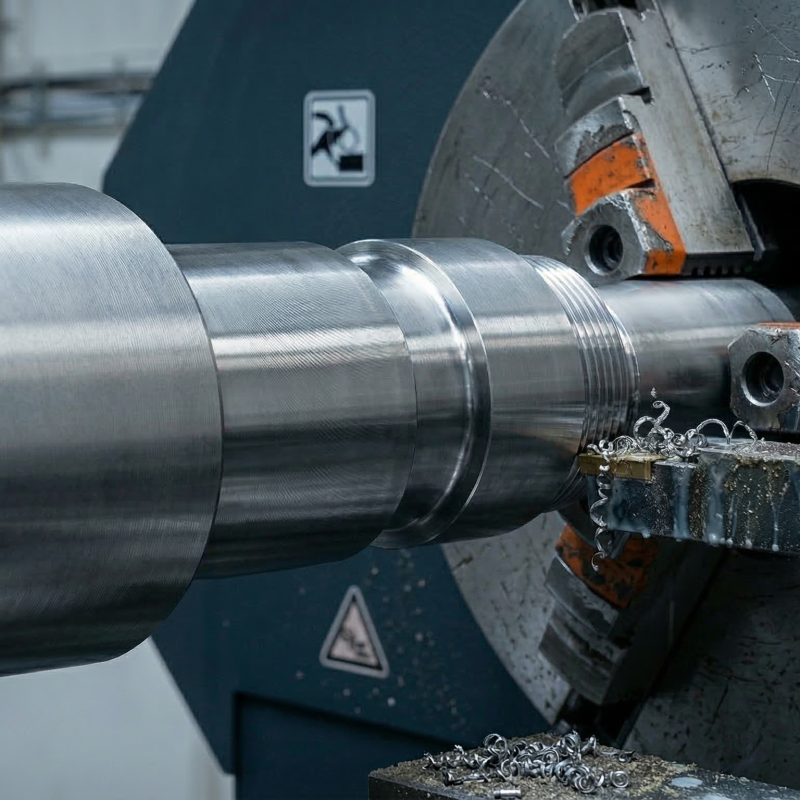
Production Check and Delivery Review
Before shipment, coating rollers can be checked according to order requirements for key dimensions, shaft details, cover hardness, and surface condition.
For projects based on confirmed specifications or replacement rollers, production details can be matched against the order requirements before delivery. For applications with higher requirements on transfer consistency, surface quality, or running stability, the relevant details can also be reviewed during production and finishing.
This helps reduce mismatch during installation and supports more stable use on the production line.
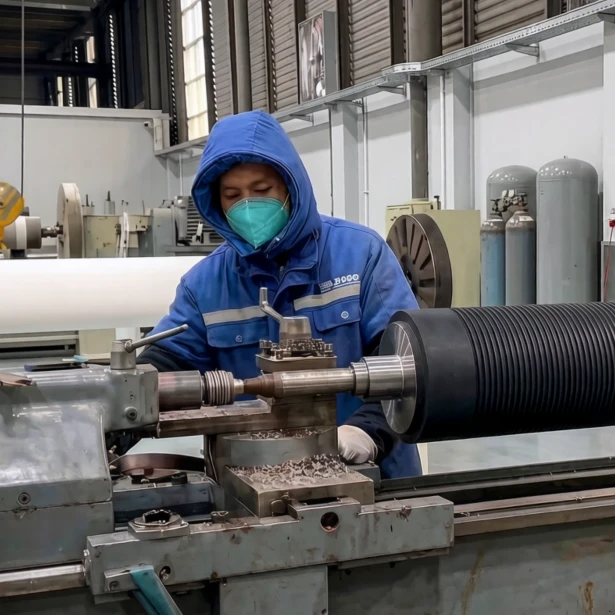
Why Choose Wolorin for Custom Coating Rollers
Wolorin focuses on custom rubber roller and industrial roller manufacturing. For coating roller projects, we provide practical manufacturing solutions based on actual application needs, confirmed dimensions, replacement requirements, and different coating conditions.
This page is intended to be useful for buyers with confirmed specifications, replacement projects, or applications that still need a suitable material or structural direction.
The goal is to provide a coating roller solution that is clear, workable, and suitable for real industrial use.
Frequently Asked Questions About Coating Rollers
What is the difference between a coating roller and a transfer roller?
A coating roller is a broader term that may refer to a roller involved in coating application or support. A transfer roller usually refers more specifically to the roller that carries or transfers coating media. In many applications, a coating roller may also perform a transfer function.
What material is suitable for coating rollers?
The right material depends on coating media, chemical exposure, transfer behavior, wear demand, and required surface characteristics.
Why do coating rollers cause streaks or uneven coating?
This may be related to contamination, unsuitable surface finish, dimensional instability, poor running condition, or media-related transfer issues.
Can coating rollers be customized for different coating methods?
Yes. Roller size, hardness, surface finish, shaft structure, and overall build can all be adjusted according to different coating methods and application requirements.
What information is useful for quotation or production confirmation?
Useful inputs include roller diameter, face length, shaft dimensions, substrate type, coating media, line speed, coating width, working temperature, and current process problems.
Explore Related Pages
By Function
Explore related pages such as Laminating Rollers, Pressure Rollers, Guide Rollers, and Pull Rollers.
By Industry
Explore line-related pages such as Coating and Laminating Line Rollers, Plastic Film Processing Rollers, and Printing and Packaging Rollers.
By Material
Compare material directions such as Silicone Rubber Rollers, Polyurethane Rubber Rollers, EPDM Rubber Rollers, and FKM Rubber Rollers.
Custom Manufacturing
Learn more about custom roller manufacturing based on dimensions, structure, and operating requirements.
Request a Quote for Coating Rollers
Need custom coating rollers for your production line?
We can manufacture according to confirmed specifications, drawings, existing roller dimensions, samples, or actual application requirements. If you already have complete technical details, quotation can be arranged directly. If some parameters are still not fully clear, the main production details can also be confirmed based on the application.
To help us quote more efficiently, you can send roller dimensions, shaft details, substrate and media information, line speed, coating width, operating temperature, drawings, or product photos.